
High Protein Jain Food

Simple Ways to Eat More Protein Without Onion, Garlic, or Root Vegetables
Eating enough protein on a Jain diet can feel confusing at first, especially when many common high-protein meal ideas rely on eggs and meat. But a Jain diet can still be protein-rich with the right structure.
The key is to build meals around clear protein sources like paneer, curd, Greek yogurt, tofu, soy chunks, dal, chana, rajma, besan, milk, nuts, and seeds. You do not need to change your whole way of eating. You just need to make protein easier to spot in each meal.
This guide breaks down the best high-protein Jain foods, simple meal ideas, snack options, and practical tips for fat loss, muscle gain, and everyday consistency.
Quick Answer
High-protein Jain food is completely possible when you build meals around dairy, dals, legumes, soy foods, nuts, seeds, and Jain-friendly grains. Good options include paneer, Greek yogurt, milk, tofu, soy chunks, moong dal, chana (black or white beans), rajma (kidney beans), urad dal, besan (gram flour), peanuts, almonds, chia seeds, and quinoa.
The easiest way to increase protein is to add one clear protein source to every meal. For example, have Greek yogurt or paneer for breakfast, dal or chana for lunch, tofu or soy chunks for dinner, and roasted chana or curd as a snack.
Why Protein Matters on a Jain Diet?
Protein helps your body repair tissue, support muscle, manage hunger, and recover from training. It is also useful during fat loss because higher protein meals can help you feel fuller while keeping meals structured.
A Jain diet can be very balanced, but protein can sometimes become an afterthought. Many everyday Jain meals are built around grains, vegetables, and snacks. These can be delicious and nourishing, but they may not always provide enough protein unless you plan for it.
The goal is not to make food complicated. The goal is to make each meal a little more intentional.
What Counts as Jain Food?
Jain food is generally vegetarian and commonly avoids meat, fish, eggs, onion, garlic, and root vegetables such as potato, carrot, beetroot, and radish. Some people also avoid mushrooms, fermented foods, greens on certain days, or food prepared after sunset.
Practices vary across families, communities, and personal beliefs. This guide keeps the suggestions broad and practical, but you should always follow the version of Jain food that matches your household and level of observance.
Best High Protein Jain Foods
1. Paneer
Paneer is one of the easiest high-protein Jain foods to use. It works well with any vegetables, as a scrambled dish for breakfast, tikka, rolls, bowls, and even salads.

What are the macros per 100g?
Type | Calories | Protein |
|---|---|---|
Full-fat paneer | ~265 – 320 | ~18 – 20g |
Low-fat paneer | ~150 – 225 | ~20 – 25g |
Good ways to use it:
Paneer bhurji (scrambled) without onion or garlic
Paneer tikka with capsicum and spices
Paneer salad with cucumber, tomato, and roasted seeds
Paneer-stuffed cheela
Paneer with dal and rice for a more filling meal
Tip: If calories are a concern, use measured portions. Paneer is protein-rich, but it can also be calorie-dense. You can always have Paneer with your salad, air fry it, or grate it into your porridge.
2. Greek Yogurt, Hung Curd, and Curd
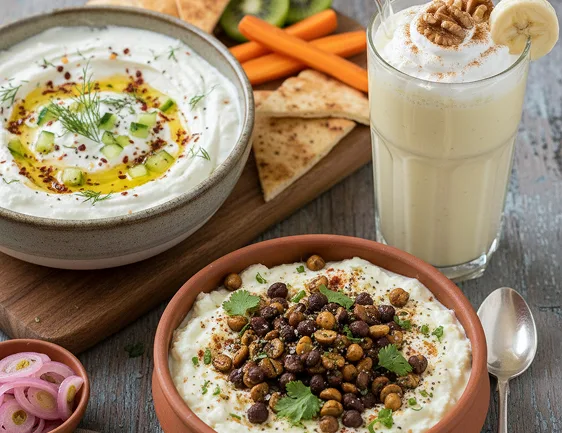
Greek yogurt and hung curd can make Jain meals higher in protein without much extra cooking. They also work well in dips, bowls, smoothies, and raita.
What are the macros per 100g?
Type | Calories | Protein |
|---|---|---|
Full-fat yoghurt | ~90 – 95 | ~9 – 10g |
Low-fat yoghurt | ~60 – 75 | ~10 – 11g |
Good ways to use them:
Hung curd dip with cucumber and spices
Greek yogurt with fruit and nuts
Curd bowl with roasted chana (black chickpeas)
Jain raita with cucumber and cumin
Smoothie with milk, yogurt, and banana
Tip: Choose plain versions when possible. Flavoured yogurts can add sugar quickly.
3. Milk
Milk is simple, accessible, and easy to add to the day. It is not the highest protein food per calorie, but it helps when used consistently.

What are the macros per 100ml?
Type | Calories | Protein |
|---|---|---|
Full-fat milk | ~60 – 65 | ~2 – 3g |
Low-fat milk | ~45 – 50 | ~3 – 4g |
Good ways to use it:
Milk with oats
Milk-based smoothie
Milk with chia seeds
Milk with unsweetened cocoa
Milk with roasted makhana on the side
Tip: If you struggle to eat enough protein, a milk and yogurt smoothie can be easier than adding another full meal. Adding a protein shake to your milk is a great addition.
4. Tofu
Tofu can be a strong option for people who want more variety beyond paneer. It is made from soy and works well with Indian flavours.

What are the macros per 100g?
Type | Calories | Protein |
|---|---|---|
Silken tofu | ~50 – 60 | ~5 – 6g |
Firm tofu | ~95 – 145 | ~10 – 15g |
Pressed tofu | ~145 – 180 | ~16 – 21g |
Good ways to use it:
Tofu tikka
Tofu capsicum stir fry without onion or garlic
Tofu curry with tomato base
Tofu salad bowl
Tofu with rice and dal
Tip: Press tofu before cooking so it holds texture better and absorbs flavour.
5. Soy Chunks
Soy chunks are one of the most protein-dense vegetarian options. They can work very well in Jain meals when cooked with the right spices.

What are the macros per 100g?
Type | Calories | Protein |
|---|---|---|
Raw, dry soy chunks | ~300 – 350 | ~45 – 50g |
Good ways to use them:
Soy chunk vegetables
Soy chunk pulao/fried rice without root vegetables
Soy chunk curry
Soy chunk tikka
Soy chunk stuffing for wraps
Tip: Boil, rinse, and squeeze soy chunks before cooking. This improves texture and reduces the strong soy taste.
6. Dal
Dal is a staple and can become a strong protein base when portions are planned properly. Moong dal, toor dal, masoor dal, urad dal, and chana dal can all fit into Jain meals depending on your practice.

What are the macros per 100g?
Type | Calories | Protein |
|---|---|---|
Raw masoor dal (red lentils) | ~343 | ~25g |
Raw urad dal (black lentils) | ~345 | ~25g |
Raw moong dal (mung bean) | ~348 | ~24g |
Raw toor dal (pigeon pea) | ~343 | ~22g |
Raw channa dal (bengal gram) | ~360 | ~20g |
Good ways to use dal:
Dal with rice
Dal with paneer on the side
Dal soup
Chana dal cheela
Dal dhokli without root vegetables
Tip: One small bowl of dal is useful, but it may not be enough protein by itself. Increase the portion or pair it with curd, paneer, or tofu.
7. Chana, Rajma, and Other Beans
Chana (chickpea), rajma (kidney beans), and beans are helpful for protein, fibre, and fullness. They are especially useful for lunch bowls and meal prep.

What are the macros per 100g?
Type | Calories | Protein |
|---|---|---|
Raw rajma (kidney beans) | ~347 | ~24g |
Raw urad dal (black lentils) | ~345 | ~25g |
Raw chana (chickpeas) | ~360 | ~22g |
Raw black beans | ~341 | ~21g |
Good ways to use them:
Chana salad
Rajma with rice
Chana with curd
Bean and vegetable bowl
Chana stuffing for wraps
Tip: Beans are filling, but they can be heavy for some people. Start with moderate portions and increase slowly.
8. Besan or Gram Flour
Besan, also known as Gram flour or Chickpea flour, is practical, affordable, and easy to use for high-protein Jain meals and snacks.

What are the macros per 100g?
Type | Calories | Protein |
|---|---|---|
Raw, dry besan | ~387 | ~22g |
Good ways to use it:
Besan cheela
Besan dhokla if it fits your practice
Besan kadhi
Besan chilla with paneer filling
Besan pancakes with curd
Tip: Add curd or paneer to a besan-based meal to make the protein stronger.
9. Nuts and Seeds
Nuts and seeds add protein, healthy fats, and texture. They are useful, but portions matter because calories can add up quickly.

What are the macros per 100g?
Type | Calories | Protein |
|---|---|---|
Raw peanuts | ~567 | ~25g |
Raw pumpkin seeds | ~559 | ~30g |
Almonds | ~579 | ~21g |
Pistachios | ~560 | ~20g |
Sesame seeds | ~573 | ~17g |
Chia seeds | ~486 | ~16g |
Flax seeds | ~534 | ~18g |
Tip: Use nuts and seeds as boosters, not your main protein source.
10. Makhana and Roasted Chana
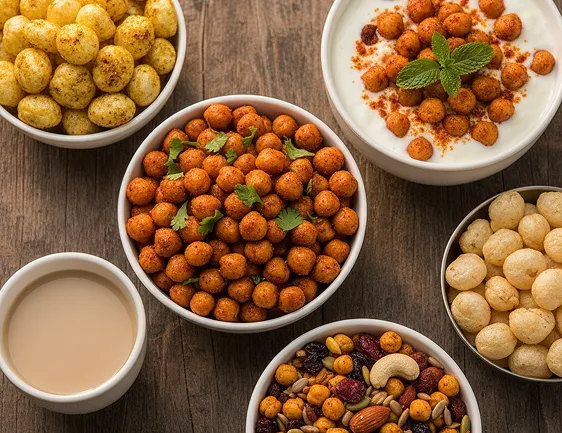
Makhana (fox nuts) and roasted chana are easy, Jain-friendly snack options. Roasted chana is usually higher in protein than makhana, while makhana can be useful when you want something light and crunchy.
What are the macros per 100g?
Type | Calories | Protein |
|---|---|---|
Raw Makhana | ~347 – 350 | ~9 – 10g |
Roasted chana | ~360 – 400 | ~5 – 6g |
Good ways to use them:
Roasted chana as an evening snack
Makhana roasted with spices
Curd bowl with roasted chana
Trail mix with chana, nuts, and seeds
Makhana with milk or curd on the side
Tip: For better protein, pair makhana with curd, milk, or paneer.
High Protein Jain Breakfast Ideas
1. Paneer Besan Cheela
Make a besan cheela and fill it with grated paneer, coriander, and spices. Serve with curd or a Jain-friendly chutney.
Why it works: You get protein from both besan and paneer.
2. Greek Yogurt Bowl
Use plain Greek yogurt or hung curd with fruit, chia seeds, and a small portion of nuts.
Why it works: It is quick, high-protein, and needs no cooking.
3. Moong Dal Cheela
Soak moong dal, blend it with spices, and cook it like a savoury pancake. Add paneer filling for extra protein.
Why it works: It gives you a dal-based breakfast that feels filling and balanced.
4. Milk, Oats, and Chia Bowl
Use milk, oats, chia seeds, and a small portion of nuts. Add fruit if needed.
Why it works: It is simple, steady, and easy to prepare in advance.
5. Tofu Scramble Without Onion or Garlic
Crumble tofu and cook it with tomato, capsicum, cumin, turmeric, and coriander.
Why it works: It gives a savoury breakfast without relying on eggs.
High Protein Jain Lunch Ideas
1. Paneer Tikka Bowl
Use paneer tikka with rice, cucumber, tomato, capsicum, and curd.
Simple structure:
Paneer for protein
Rice or millet for carbs
Vegetables for volume
Curd for extra protein and freshness
2. Dal, Rice, and Curd
Keep the classic meal, but increase the dal portion and add curd.
Simple structure:
Larger dal serving
Moderate rice serving
Curd or Greek yogurt
Salad with cucumber and tomato
3. Chana Salad Bowl
Use boiled chana, cucumber, tomato, capsicum, coriander, lemon, spices, and curd dressing.
Simple structure:
Chana for protein and fibre
Curd for extra protein
Vegetables for volume
Seeds for crunch
4. Tofu with Rice
Cook tofu with tomato, capsicum, and spices. Serve with rice or roti.
Simple structure:
Tofu for protein
Rice or roti for energy
Vegetables for volume
Curd if you need extra protein
5. Rajma Bowl
Use rajma with rice, salad, and curd. Keep the gravy Jain-friendly by using tomato, spices, and hing instead of onion and garlic.
Simple structure:
Rajma for protein and fibre
Rice for balance
Curd for more protein
Salad for freshness
High Protein Jain Dinner Ideas
1. Soy Chunk Curry
Cook soy chunks in a tomato and spice base. Serve with roti, rice, or millet.
Why it works: Soy chunks can add a lot of protein without needing large portions.
2. Paneer and Vegetable
Use paneer with capsicum, tomato, bottle gourd, ridge gourd, or other vegetables that fit your practice.
Why it works: It is familiar, simple, and easy to scale.
3. Dal Soup With Paneer
Make a thick dal soup and add paneer cubes on the side or into the bowl.
Why it works: It is warm, filling, and protein-focused.
4. Tofu Tikka With Curd Dip
Marinate tofu in curd and spices, then grill or pan-cook it. Serve with salad and a curd dip.
Why it works: It feels like a snack-style dinner but still gives you a clear protein source.
5. Besan Kadhi With Rice
Make Jain-friendly kadhi with besan and curd. Add a side of paneer, tofu, or roasted chana if you need more protein.
Why it works: Kadhi gives some protein, but the side protein makes the meal stronger.
High Protein Jain Snacks
Easy Snack Options
Roasted chana
Greek yogurt or hung curd
Paneer cubes with spices
Makhana with milk
Peanut chaat without onion
Curd with chia seeds
Tofu tikka bites
Besan cheela roll
Nuts and seeds in measured portions
Chana salad
Snack Formula
Choose one protein source and one support food.
Examples:
Curd plus roasted chana
Paneer plus cucumber
Milk plus makhana
Greek yogurt plus chia seeds
Roasted chana plus fruit
This keeps snacks simple and helps avoid grazing all day.
How to Build a High Protein Jain Plate?
Use this simple structure:
Step 1: Pick One Protein Anchor
Choose one:
Paneer
Tofu
Soy chunks
Dal
Chana
Rajma
Greek yogurt
Hung curd
Besan
Milk
Step 2: Add a Carb
Choose one:
Rice
Roti
Millet
Oats
Quinoa
Poha, if it fits your practice
Upma without root vegetables
Step 3: Add Vegetables
Choose Jain-friendly vegetables that fit your household rules.
Common options may include:
Tomato
Cucumber
Capsicum
Bottle gourd
Ridge gourd
Cabbage if accepted
Beans if accepted
Green peas, if accepted
Step 4: Add Flavour Without Onion or Garlic
Use:
Hing
Cumin
Coriander
Turmeric
Black pepper
Ginger if accepted
Green chilli if accepted
Curry leaves, if accepted
Lemon
Fresh coriander
Step 5: Check the Meal
Ask one simple question:
Where is the protein?
If the answer is unclear, add paneer, tofu, curd, dal, chana, soy chunks or roasted chana.
Simple High Protein Jain Meal Plan
Breakfast
Moong dal cheela with paneer filling and curd
Mid Morning
Milk or Greek yogurt with chia seeds
Lunch
Dal, rice, cucumber tomato salad and curd
Evening Snack
Roasted chana or paneer cubes with spices
Dinner
Soy chunk curry with roti and capsicum tomato salad
This is only a structure. Adjust portions based on your calories, hunger, training and goals.
Tips to Increase Protein Without Changing Your Whole Diet
1. Add Curd to One Meal Daily
Curd is easy to add to lunch or dinner. It improves the meal without changing the whole plate.
2. Add Paneer or Tofu to Sabzi
Many Jain sabzis are vegetable-heavy. Add paneer or tofu to make them more protein-focused.
3. Upgrade Snacks
Instead of only farsan, biscuits, or sweets, add roasted chana, curd, paneer, milk, or Greek yogurt.
4. Use Dal More Intentionally
Dal helps, but portion size matters. A very small serving may not give enough protein. Use a larger serving or pair it with another protein source.
5. Keep Soy Chunks for Busy Days
Soy chunks are useful when you need a quick protein option. Keep them ready for curry, pulao, or wraps.
6. Do Not Rely Only on Nuts
Nuts are nutritious, but they are calorie-dense. They are better as a topping or small snack, not the main protein source.
7. Repeat Meals That Work
You do not need a new recipe every day. If paneer cheela, dal rice, curd, and soy chunk curry work for you, repeat them.
Consistency beats novelty.
Common Mistakes on a High Protein Jain Diet
Mistake 1: Thinking Dal Alone Is Always Enough
Dal is helpful, but many people eat a small portion. Add curd, paneer, tofu or chana if the meal needs more protein.
Mistake 2: Eating Protein Only at Dinner
Spread protein across the day. Breakfast, lunch, snacks and dinner can all include a protein source.
Mistake 3: Depending on Fried Snacks
Many Jain snacks are tasty, but not always protein rich. Keep them when you enjoy them, but add a protein option beside them.
Mistake 4: Forgetting Calories
High protein does not automatically mean low calorie. Paneer, nuts, seeds and full fat dairy can add calories quickly.
Mistake 5: Making It Too Complicated
You do not need perfect meals. Start with one upgrade: add a protein source to breakfast or lunch. Then build from there.
Final Thoughts
A high protein Jain diet does not need to feel restrictive. You can keep the foods you grew up with and make small changes that improve the protein of each meal.
Start with one protein anchor per meal. Use paneer, tofu, soy chunks, dal, chana, curd, Greek yogurt, milk, besan, nuts and seeds in a way that fits your practice.
The best plan is not the most complicated one. It is the one you can repeat through normal weeks, social meals, travel and busy days.
FAQs
Is Jain food high in protein?
Jain food can be high in protein if meals include clear protein sources like paneer, tofu, soy chunks, dal, chana, rajma, curd, Greek yogurt, milk, besan, nuts, and seeds. Without planning, many Jain meals can become mostly carbs and vegetables, so it helps to add one protein anchor to each meal.
What are the best high protein Jain foods?
Some of the best high-protein Jain foods are paneer, Greek yogurt, hung curd, tofu, soy chunks, moong dal, chana dal, chana, rajma, besan, roasted chana, milk, peanuts, almonds, and pumpkin seeds.
Can I build muscle on a Jain diet?
Yes, you can build muscle on a Jain diet if you eat enough protein, get enough total calories, and follow a consistent strength training plan. Paneer, tofu, soy chunks, dal, chana, rajma, curd, and milk can all help.
What is a high protein Jain breakfast?
Good high-protein Jain breakfast options include paneer besan cheela, moong dal cheela with curd, Greek yogurt with fruit and seeds, tofu scramble without onion or garlic, and milk with oats and chia seeds.
What is a high protein Jain snack?
Good high-protein Jain snacks include roasted chana, Greek yogurt, hung curd, paneer cubes, tofu tikka, curd with chia seeds, besan cheela rolls, and makhana with milk.
Is paneer good for a high protein Jain diet?
Yes, paneer is a useful high-protein Jain food. It is easy to cook and works well in many Indian meals. The main thing to watch is portion size, especially if you are also managing calories.
Is tofu Jain?
Tofu is made from soybeans and can fit into many Jain diets. However, Jain practices vary, so check whether soy products fit your household rules.
Are soy chunks good for Jain protein?
Soy chunks can be a strong protein option for Jain meals if they fit your practice. They work well in curries, pulao, sabzi, and wraps.
How can I increase protein without onion and garlic?
Use hing, cumin, coriander, turmeric, lemon, tomato, capsicum, and fresh herbs for flavour. Add protein through paneer, tofu, soy chunks, dal, chana, curd, Greek yogurt, milk, besan, nuts, and seeds.
Can Jain food support fat loss?
Yes, Jain food can support fat loss when meals include enough protein, vegetables, planned carbs, and sensible portions. A good starting point is to include one protein source in every meal and avoid letting snacks replace balanced meals.