
Kosher Friendly Recipes for a Fat Loss Diet
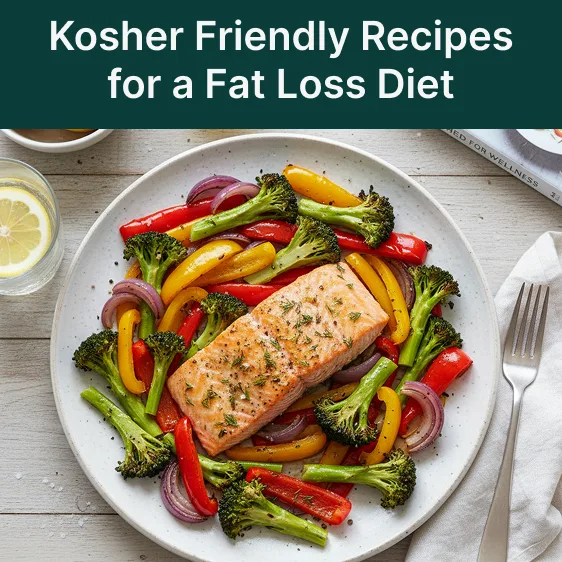
Eating for fat loss while keeping kosher does not need to feel like a separate project. The basics are still the same: build meals around protein, vegetables, fibre-rich carbs, and portions that fit your goal.
The extra layer is – structure. Kosher eating has its own food rules, kitchen practices, and ingredient checks, so the easiest plan is one that works with those rules instead of making every meal feel complicated.
This guide gives you kosher-friendly recipe ideas for fat loss, split across dairy, meat, fish, and pareve-style meals. Use them as templates. Adjust the ingredients, brands, and kitchen setup based on your own level of kosher observance.
Quick Answer
Good kosher-friendly recipes for a fat loss diet are meals that combine lean protein, vegetables, measured fats, and sensible carbs while respecting kosher food rules. Strong options include Greek yogurt bowls, egg white scrambles, lentil soup, chicken salad bowls, turkey lettuce cups, salmon trays, tuna cucumber bowls, tofu stir fry, and chickpea vegetable plates.
For fat loss, the meal does not need to be tiny. It just needs a clear protein source, enough vegetables to keep you full, and portions that fit your daily or weekly calorie target.
What Makes a Recipe Kosher Friendly?
For this guide, kosher-friendly simply means the meal structure respects the basics: use suitable ingredients, keep meat and dairy separate, and choose products that match your level of kosher observance.
The recipes are written as flexible templates. Adjust certifications, ingredients, and kitchen setup based on your own practice.
The Fat Loss Plate Formula
You do not need a different rulebook for every meal. Start with this simple structure.
Protein
Pick one main protein source:
Chicken breast
Turkey
Lean beef
Eggs or egg whites
Salmon
Tuna
White fish
Greek yogurt
Cottage cheese
Tofu
Lentils
Chickpeas
Beans
Vegetables
Add volume through vegetables:
Cucumber
Tomato
Lettuce
Zucchini
Bell pepper
Broccoli
Green beans
Cabbage
Mushrooms
Spinach
Carbs
Choose a portion that fits the meal:
Rice
Quinoa
Sweet potato
Whole wheat pita
Oats
Barley
Beans
Lentils
Fruit
Fats
Use measured portions:
Olive oil
Avocado
Tahini
Nuts
Seeds
This keeps the meal filling without turning it into a strict or joyless plan.
Dairy – Kosher Friendly Recipes for Fat Loss
Use these for dairy meals. Keep them separate from meat meals based on your practice.
1. Greek Yogurt Protein Bowl

Calories: ~350 kcal | Protein: 29g | Carbohydrates: 38g (includes ~9.5g fiber) | Fat: 12g
*Calculations uses plain non-fat (0%) Greek yoghurt and a small apple
Best for
Breakfast, snack, or light dinner
Ingredients
1 cup plain Greek yogurt
1 small apple or berries
1 tablespoon chia seeds
Cinnamon
10 to 15 almonds
Optional: a small spoon of honey if it fits your calories
Method
Add Greek yogurt to a bowl.
Top with fruit, chia seeds, and cinnamon.
Add almonds for crunch.
Mix and eat chilled.
Why does it work for fat loss?
Greek yogurt gives protein, fruit adds fibre, and the almonds make the meal feel more complete. Keep the nuts measured because they are easy to overpour.
Simple swap or add-ons
If you use low-fat (2%) cottage cheese instead of Greek yogurt for a thicker, more savoury base. Then, the macros shift to be ~380 calories, 33g protein, 33g carbs, and 16g fat.
If you use 1tsp of honey, add ~20 calories and 5g carbs
If you use 1 cup of mixed berries instead of an apple, calories drop to ~315, carbs drop to ~30g, and fiber stays roughly the same.
If you use whole-milk (full-fat) Greek yoghurt, add ~90 calories and 11g of fat
2. Cottage Cheese Cucumber Plate
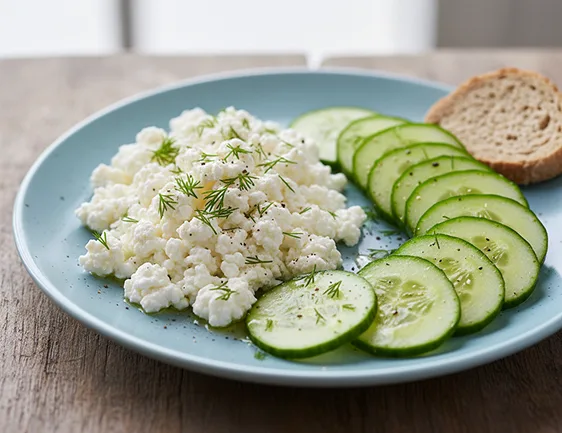
Calories: ~220 kcal | Protein: 26g | Carbohydrates: 18g (includes ~3g fiber) | Fat: 5g
*Calculations uses 1 cup of low-fat (2%) cottage cheese
Best for
Fast lunch, snack, or no-cook dinner
Ingredients
Cottage cheese
Cucumber slices
Tomato
Black pepper
Lemon juice
Fresh herbs
Whole-grain crackers or a small pita if needed
Method
Add cottage cheese to a plate or bowl.
Add cucumber and tomato on the side.
Season with pepper, lemon, and herbs.
Add a small portion of carbs if this is a full meal.
Why it works for fat loss
It is quick, high in protein, and easy to portion. It also works well when you want something light but still structured.
Simple swap or add-ons
If you add 1 small whole-wheat pita, add ~80 calories, 3g protein, 17g carbs, and 1g fat.
If you add 6 whole grain crackers (like Triscuits), add ~120 calories, 3g protein, 20g carbs, and 4g fat.
If you swap the cottage cheese for non-fat Greek yoghurt, the calories drop to ~170 calories, 26g protein, 17g carbs, and 0g fat.
If you swap the cottage cheese for ½ cup of labneh, then you need to adjust the calories to ~260, 12g protein, 12g carbs, and 18g fat.
3. Egg White Vegetable Scramble

Calories: ~210 kcal | Protein: 22g | Carbohydrates: 7g (includes ~2g fiber) | Fat: 10g
*Calculations uses 4 large egg whites, 1 large whole egg, 1 teaspoon of olive oil, and 1.5 cups of mixes raw vegetables
Best for
Breakfast or dinner
Ingredients
Egg whites
1 whole egg if desired
Spinach
Bell pepper
Mushrooms
Salt and pepper
Cooking spray or 1 teaspoon olive oil
Method
Cook the vegetables in a pan.
Add egg whites and one whole egg if using.
Stir gently until cooked.
Serve with fruit, toast, or a small portion of carbs if it fits your meal plan.
Why it works for fat loss
Egg whites are high in protein for relatively low calories. Adding vegetables gives more volume, which helps the meal feel bigger.
Simple swap or add-ons
If you use cooking spray instead of olive oil, reduce ~35 calories and 4.5g of fat.
If you remove the whole egg, reduce ~72 calories, 6g protein, and 5g fat.
If you add 1 slice of whole-wheat toast, add ~80 - 100 calories, 4g protein, 15 - 20g carbs, and 1g fat.
If you turn it into an omelette because you prefer a more filling texture, it won’t impact the macros, provided you use the same ingredients and measurements.
Meat – Kosher Friendly Recipes for Fat Loss
Use these for meat meals. Keep them dairy-free. Choose kosher meat and poultry based on your practice.
4. Lemon Herb Chicken Salad Bowl

Calories: ~275 kcal | Protein: 37g | Carbohydrates: 10g (includes ~3g fiber) | Fat: 8.5g
*Calculations uses 4oz of cooked skinless, boneless chicken breast, 1 teaspoon of olive oil, and 3 cups of mixed vegetables.
Best for
Lunch or meal prep
Ingredients
Chicken breast
Lettuce or mixed greens
Cucumber
Tomato
Bell pepper
Lemon juice
1 teaspoon olive oil
Garlic powder, paprika, salt, and pepper
Optional: quinoa or rice
Method
Season and cook the chicken.
Slice it into strips.
Add vegetables to a bowl.
Top with chicken.
Dress with lemon juice and measured olive oil.
Add a small portion of quinoa or rice if you want a fuller meal.
Why it works for fat loss
Chicken gives lean protein, vegetables add volume, and the measured oil keeps calories predictable.
Simple swap or add-ons
If you add ½ cup of cooked quinoa, add ~110 calories, 4g protein, 20g carbs, and 2g fat.
If you add ½ cup of cooked white or brown rice, add ~110 calories, 2.5g protein, 23g carbs, and 0g fat.
If you use cooking spray instead of olive oil, reduce 40 calories and 4.5g of fat.
If you swap to turkey breast, then the macros don’t change, as they share nearly the same lean protein-to-fat ratio.
5. Turkey Lettuce Cups

Calories: ~200 kcal | Protein: 24g | Carbohydrates: 5g (includes ~1g fiber) | Fat: 8g
*Calculation uses 4oz of cooked 93/7 lean ground turkey, 3-4 large leaves of lettuce, ½ cup of mixed vegetables.
Best for
Light dinner or high-protein snack meal
Ingredients
Lean ground turkey
Romaine or butter lettuce leaves
Diced cucumber
Tomato
Paprika
Cumin
Black pepper
Lemon juice
Optional: avocado in a measured portion
Method
Cook the turkey with spices.
Spoon it into lettuce leaves.
Add cucumber and tomato.
Finish with lemon juice.
Add avocado if you want more fat and calories in the meal.
Why it works for fat loss
Lettuce cups give the feeling of a wrap with fewer calories than a large bread-based meal. The protein stays clear and easy to track.
Simple swap or add-ons
If you add ¼ of a medium avocado, add ~80 calories, 1g protein, 4g carbs, and 7g fat.
If you swap turkey for lean beef, the macros remain similar. You may see a slight increase in iron and B12, with calories staying nearly identical.
If you use 99% lean ground turkey (breast), you can lower the fat content to 1g.
6. Chicken Vegetable Soup
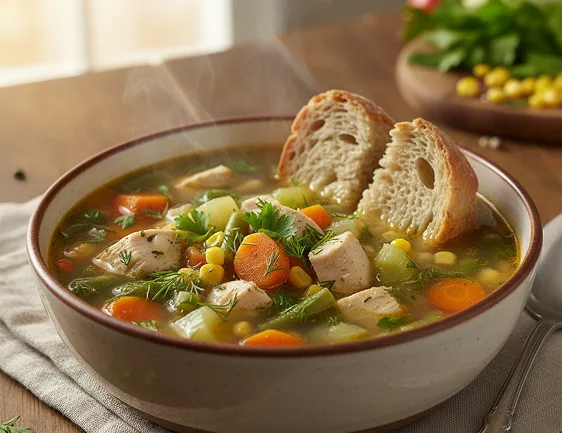
Calories: ~230 kcal | Protein: 34g | Carbohydrates: 12g (includes ~4g fiber) | Fat: 3.5g
*Calculation uses 4oz cooked skinless, boneless kosher chicken breast, 2 cups of low-sodium chicken broth, and 2 cups of mixed vegetables.
Best for
Meal prep, dinner, or a lighter day
Ingredients
Kosher chicken
Celery
Zucchini
Carrot, if used in your practice
Cabbage
Fresh herbs
Salt and pepper
Optional: barley, rice, or beans
Method
Add chicken, vegetables, and water or broth to a pot.
Simmer until the chicken is cooked, and the vegetables are soft.
Shred the chicken.
Add a measured portion of barley, rice, or beans if you want more carbs.
Adjust seasoning.
Why it works for fat loss
Soup can be filling because it has protein, fluid, and volume. Adding a measured carb makes it more satisfying without turning it into a heavy meal.
Simple swap or add-ons
If you add ½ cup of cooked barley, add ~100 calories, 2g protein, 22g carbs, and 0.5g fat.
If you add ½ cup of cooked white or brown rice, add ~110 calories, 2.5g protein, 23g carbs, and 0g fat.
If you add ½ cup of cooked beans (like cannelini or kidney beans), add ~110 calories, 7g protein, 20g carbs, and 0g fat.
If you swap chicken with turkey breast, the macros will remain the same, as they are both lean sources of protein.
Fish – Kosher Friendly Recipes for Fat Loss
Use kosher fish options based on your practice. Fish meals should still use kosher-certified ingredients where needed.
7. Salmon Tray Bake With Vegetables

Calories: ~320 kcal | Protein: 28g | Carbohydrates: 10g (includes ~3g fiber) | Fat: 18.5g
*Calculation uses 4oz cooked Atlantic salmon, 1 teaspoon of olive oil, and 2 cups of mixed raw vegetables.
Best for
Dinner or meal prep
Ingredients
Salmon fillet
Broccoli
Zucchini
Bell pepper
Lemon juice
1 teaspoon olive oil
Dill, pepper, and salt
Optional: rice or quinoa
Method
Place salmon and vegetables on a baking tray.
Season with lemon, herbs, and measured olive oil.
Bake until the salmon is cooked.
Serve with rice or quinoa if needed.
Why it works for fat loss
Salmon is higher in fat than white fish, but it is filling and nutrient dense. Keep the oil measured because salmon already brings healthy fats.
Simple swap or add-ons
If you use wild salmon (leaner) instead of Atlantic, then calories will drop to ~290 calories and 13.5g of fat, while keeping protein at 25g.
If you add ½ cup of cooked quinoa, add ~110 calories, 4g protein, 20g carbs, and 2g fat.
If you add ½ cup of cooked white or brown rice, add ~110 calories, 2.5g protein, 23g carbs, and 0g fat.
If you swap salmon with 4oz od cooked cod or white fish, the base plate drops to ~185 calories, 23g protein, 10g carbs, and 5.5g fat.
8. Tuna Cucumber Bowl

Calories: ~305 kcal | Protein: 29g | Carbohydrates: 10g (includes ~3g fiber) | Fat: 5.5g
*Calculation uses 1 can of tuna in water, 1 teaspoon of olive oil, 2 cups of lettuce, 1/2 medium cucumber, and 1 medium tomato.
Best for
Fast lunch
Ingredients
Canned tuna with kosher certification where needed
Cucumber
Tomato
Lettuce
Lemon juice
Black pepper
1 teaspoon olive oil or a small amount of avocado
Optional: rice cakes, crackers or a small pita
Method
Drain tuna.
Add cucumber, tomato and lettuce to a bowl.
Top with tuna.
Add lemon, pepper and measured fat.
Serve with a small carb portion if needed.
Why it works for fat loss
This is fast, high protein and easy to keep light. It works well on busy days when cooking is not happening.
Simple swap or add-ons
If you use 1/4 medium avocado instead of olive oil, add ~10 calories and 3g carbs, while keeping the healthy fat content the same.
If you add 2 plain rice cakes, add ~70 calories, 1.5g protein, and 15g carbs.
If you add 1 small whole-wheat pita (approx. 1 oz), add ~80 calories, 3g protein, 17g carbs, and 1g fat.
If you swap tuna with 4oz canned salmon in water, adjust your macros to ~240 calories, 26g protein, 10g carbs, and 10.5g fat.
9. White Fish Tomato Skillet

Calories: ~190 kcal | Protein: 25g | Carbohydrates: 11g (includes ~3g fiber) | Fat: 5.5g
*Calculation uses 4oz cooked lean white fish (like cod, tilapia, or haddock), 1 teaspoon of olive oil, 1 medium tomato, ½ a zucchini, and ½ a bell pepper.
Best for
Dinner
Ingredients
White fish fillets
Tomato
Bell pepper
Zucchini
Paprika
Cumin
Lemon
1 teaspoon olive oil
Fresh herbs
Method
Cook vegetables with spices and measured oil.
Add fish fillets on top.
Cover and cook until the fish is done.
Finish with lemon and herbs.
Serve with rice or quinoa if needed.
Why it works for fat loss
White fish is usually lean, so it gives a lot of protein without making the meal heavy. The tomato base adds flavour without needing a creamy sauce.
Simple swap or add-ons
If you add 1/2 cup of cooked quinoa, add ~110 calories, 4g protein, 20g carbs, and 2g fat.
If you add 1/2 cup of cooked white or brown rice, add ~110 calories, 2.5g protein, 23g carbs, and 0g fat.
If you swap the fish with 4 oz Cooked Atlantic Salmon), adjust your macros to 320 calories, 27g protein, 11g carbs, and 18.5g fat.
Pareve Style Recipes for Fat Loss
Pareve style meals can be useful when you want flexibility around meat and dairy meals. Check ingredient labels and preparation rules based on your practice.
10. Lentil Vegetable Soup

Calories: ~275kcal | Protein: 20g | Carbohydrates: 50g (includes ~19g fiber) | Fat: 1g
*Calculation uses 1 cup of cooked lentils (green or brown) and 2 cups of mixed raw vegetables.
Best for
Lunch, dinner, or meal prep
Ingredients
Lentils
Tomato
Celery
Zucchini
Spinach
Cumin
Paprika
Lemon juice
Fresh herbs
Method
Rinse lentils.
Add lentils, vegetables, spices, and water to a pot.
Simmer until soft.
Finish with lemon and herbs.
Serve as is or with a small side of rice.
Why it works for fat loss
Lentils bring protein, fibre, and carbs together. That makes them filling and useful for meal prep.
Simple swap or add-ons
If you add 1/2 cup of cooked white or brown rice, add ~110 calories, 2.5g protein, 23g carbs, and 0g fat.
If you saute the vegetables in 1 teaspoon of olive oil first, add 40 calories and 4.5g of fat.
If you swap lentils with:
1 cup of split peas, then adjust your macros to ~230 calories, 16g protein, 41g carbs.
1 cup of cooked cannelini or kidney beans for a thicker texture, then adjust your macros to ~270 calories, 17g protein, 48g carbs (13g fiber), and 1g fat.
11. Tofu Vegetable Stir Fry

Calories: ~200kcal | Protein: 15g | Carbohydrates: 14g (includes ~4g fiber) | Fat: 9.5g
*Calculation uses 4oz of firm tofu, 1 teaspoon of sesame or olive oil, and 2 cups of mixed raw vegetables.
Best for
Dinner or meal prep
Ingredients
Firm tofu
Broccoli
Bell pepper
Mushrooms
Zucchini
Soy sauce or tamari with kosher certification, where needed
Ginger
1 teaspoon sesame oil or olive oil
Optional: rice or cauliflower rice
Method
Press and cube tofu.
Cook tofu until lightly browned.
Add vegetables.
Add soy sauce or tamari and ginger.
Serve with rice or cauliflower rice.
Why it works for fat loss
Tofu is a useful plant protein, and the vegetables make the meal more filling. Use measured oil so the stir fry stays aligned with your calories.
Simple swap or add-ons
If you add 1 cup of cauliflower rice, add ~25 calories, 2g protein, 5g carbs, and 0g fat.
If you add 1/2 cup of cooked white or brown rice, add ~110 calories, 2.5g protein, 23g carbs, and 0g fat.
If you swap tofu with:
1/2 cup shelled edamame, adjust macros to ~200 calories, 13g protein, 18g carbs, and 8.5g fat.
1/2 cup of cooked chickpeas, it will lower the fat content bu significantly increase carbohydrate and fiber. Adjust your macros to ~235 calories, 11g protein, 33g carbs, and 6/5g fat.
12. Chickpea Salad Plate
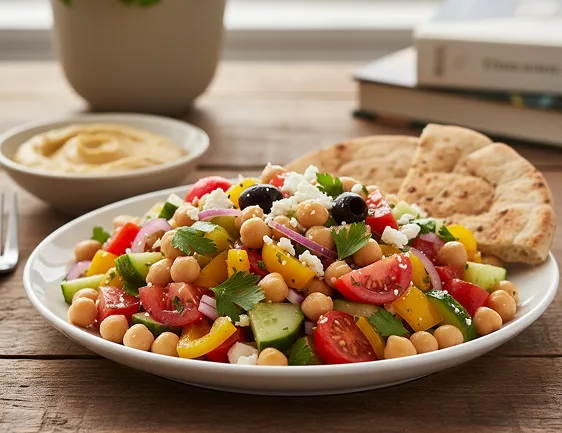
Calories: ~355kcal | Protein: 16.5g | Carbohydrates: 55g (includes ~15g fiber) | Fat: 8.5g
*Calculation uses 1 cup of chickpeas, 2 cups of raw mixed vegetables, and 1 teaspoon olive oil.
Best for
Lunch or a light dinner
Ingredients
Chickpeas
Cucumber
Tomato
Lettuce
Lemon juice
Parsley
1 teaspoon olive oil
Tahini in a measured portion if desired
Method
Add chickpeas and vegetables to a bowl.
Add lemon, herbs and measured oil.
Add tahini if using.
Mix and serve chilled.
Why it works for fat loss
Chickpeas provide protein and fibre, which can help the meal feel satisfying. The key is portion control, especially with tahini and oil.
Simple swap
If you add tahini, add ~89 calories, 3g protein, 3g carbs, and 16.5g fat.
If you swap chickpeas with:
1 cup cooked white beans, then adjust your macros to ~335 calories, 19.5g protein, 55g carbs (includes 14g fiber), and 5.1g fat.
1 cup cooked lentils, then adjust your macros to ~315 calories, 20g protein, 50g carbs (includes 15.5g fiber), and 5.3g fat.
13. Quinoa Tofu Bowl

Calories: ~285kcal | Protein: 17g | Carbohydrates: 30g (includes ~5.5g fiber) | Fat: 11.5g
*Calculation uses 1/4 cup of cooked quinoa, 4oz of firm tofu, 1 teaspoon of olive oil, and 2 cups of mixed fresh vegetables.
Best for
Meal prep
Ingredients
Cooked quinoa
Tofu
Cucumber
Tomato
Spinach
Lemon juice
Herbs
1 teaspoon olive oil
Optional: pumpkin seeds
Method
Cook quinoa.
Pan cook tofu or bake it.
Add vegetables to a bowl.
Add quinoa and tofu.
Finish with lemon, herbs and measured oil.
Add pumpkin seeds if desired.
Why it works for fat loss
This gives protein, carbs and vegetables in one bowl. It is easy to prepare in advance and adjust based on hunger.
Simple swap
If you add 1 tablespoon of pumpkin seeds, add ~50 calories, 3g protein, 1g carbs, and 4.5g fat.
If you use cooking spray instead of olive oil, reduce 40 calories and 4.5g of fat.
If you swap tofu with 1/2 cup cooked lentils, then the total fat reduces but overall carbohydrates and fiber increase. Adjust your macros to ~300 calories, 15g protein, 47g carbs (includes 12.5g fiber), and 7g fat.
Kosher Friendly Meal Prep Ideas for Fat Loss
A good meal prep system makes the week easier. It does not have to be perfect.
Prep 2 proteins
Choose two for the week:
Chicken breast
Turkey
Salmon
Tuna
Tofu
Lentils
Chickpeas
Eggs
Prep 2 carbs
Choose two:
Rice
Quinoa
Sweet potato
Oats
Barley
Whole wheat pita
Prep vegetables
Keep ready options like:
Cucumber
Tomato
Lettuce
Bell pepper
Zucchini
Broccoli
Spinach
Cabbage
Prep sauces separately
Sauces are where calories can quietly climb. Keep them measured.
Good options:
Lemon and herbs
Tomato salsa
Vinegar based dressing
Tahini in a measured portion
Yogurt based sauce for dairy meals only
Pareve dressing for meat meals
Tips for Keeping Kosher Fat Loss Meals Simple
1. Build the meal around protein first
Start with chicken, fish, eggs, Greek yogurt, tofu, lentils, or beans. Then build the rest of the plate around it.
2. Keep meat meals dairy-free
Use lemon, herbs, spices, tomato sauces, avocado, tahini, or pareve dressings instead of cheese or yogurt-based sauces.
3. Use dairy meals when they make life easier
Greek yogurt bowls, cottage cheese plates, and egg-based meals can be quick, useful, and high in protein.
4. Measure oils, nuts, and tahini
These foods can fit well, but they add calories quickly. Measuring them keeps the meal honest without making it feel restrictive.
5. Make vegetables easy to repeat
You do not need a new vegetable mix every day. If cucumber, tomato, lettuce, and roasted zucchini work for you, keep using them.
6. Keep backup meals ready
Good backup options:
Canned tuna
Eggs
Greek yogurt
Cottage cheese
Lentil soup
Frozen fish
Tofu
Chickpeas
A backup meal can stop one busy day from turning into a week of guessing.
7. Use weekly context
One higher-calorie meal does not erase the week. Look at the weekly average and adjust the next meal normally.
Common Mistakes to Avoid
Mistake 1: Making every meal too low-calorie
A tiny meal can backfire later if it leaves you too hungry. A better meal has enough protein, vegetables and carbs to keep you steady.
Mistake 2: Forgetting protein at breakfast
A low protein breakfast can make the rest of the day harder. Greek yogurt, eggs, cottage cheese or tofu can help.
Mistake 3: Letting sauces do most of the calories
Oil, tahini, mayo, nuts, and dressings can all fit. The issue is usually the pour, not the food itself.
Mistake 4: Treating kosher-friendly as automatically healthy
Kosher-friendly foods can still be high-calorie. Fat loss still comes down to total intake over time.
Mistake 5: Trying to cook fresh every single meal
Meal prep helps. Even two prepared proteins and a few ready vegetables can make the week easier.
Final Thoughts
A kosher friendly fat loss diet can be simple when the meals are built with structure. Choose a protein, add vegetables, include a measured carb, and keep fats intentional.
The goal is not to make food smaller and smaller. The goal is to make meals clear enough that you can repeat them through normal weeks.
Start with two or three recipes from this list. Repeat what works. Adjust portions as you go.
FAQs
What are the best kosher-friendly recipes for fat loss?
Good kosher-friendly recipes for fat loss include Greek yogurt bowls, cottage cheese cucumber plates, egg white scrambles, chicken salad bowls, turkey lettuce cups, salmon tray bakes, tuna cucumber bowls, lentil soup, tofu stir fry, and chickpea salad plates.
Can you lose weight on a kosher diet?
Yes. A kosher diet can support weight loss when your overall food intake creates a calorie deficit. Protein, vegetables, fibre-rich carbs, and measured fats make that easier to sustain.
What are good high-protein kosher meals?
Good high-protein kosher meals include chicken bowls, turkey lettuce cups, salmon with vegetables, tuna salad bowls, egg white scrambles, Greek yogurt bowls, cottage cheese plates, tofu stir fry, lentil soup, and chickpea salad.
Are kosher meals automatically healthy?
Not always. Kosher describes whether food fits kosher rules. It does not automatically mean a meal is low calorie, high protein or balanced. A kosher-friendly fat-loss meal still needs structure.
What can I eat for a kosher-friendly, low-calorie dinner?
Good options include white fish with vegetables, chicken vegetable soup, turkey lettuce cups, tofu stir fry, salmon with roasted vegetables, lentil soup, or a large salad with a clear protein source.
Can I mix dairy and meat in these recipes?
No. For kosher meals, meat and dairy are kept separate. Use dairy-based sauces only with dairy or pareve meals, and use pareve sauces for meat meals.
What are good pareve recipes for fat loss?
Good pareve style recipes include lentil vegetable soup, tofu stir fry, chickpea salad, quinoa tofu bowls, bean soups, and vegetable plates with tahini in measured portions.
Is fish considered meat in kosher cooking?
Fish has its own status in kosher cooking and is not treated the same as meat from land animals. Many people still follow specific household rules around fish, so use the approach that matches your practice.
What is a simple kosher fat loss meal prep plan?
Prepare two proteins, two carb options, and a few vegetables. For example, cook chicken and lentils, prepare rice and quinoa, and keep cucumber, tomato, lettuce, and zucchini ready. Then mix and match meals during the week.
How do I make kosher meals more filling without adding too many calories?
Add more vegetables, choose lean protein, include fibre-rich carbs like lentils or beans, and measure calorie-dense ingredients like oil, tahini, nuts, and dressings.