
Japanese Snack and Street Food Calories: How to Eat More Without Losing Your Week

Japanese snacks and street food can absolutely fit into a fat-loss or fitness plan.
The key is not avoiding them completely.
The key is knowing what each food usually gives you.
Some Japanese street foods are rice or noodle-heavy. Some are fried. Some are sweet. Some are surprisingly easy to balance because they already include protein.
That does not make any of them “bad”.
It just means the meal may need a little structure around it.
This guide breaks down popular Japanese snacks and street foods, approximate macros, what to balance, what to watch, and how to make each option more protein-rich.
Quick Answer
Most Japanese snacks and street foods are built around rice, noodles, batter, frying oil, sweet fillings, sauces, or bread.
Takoyaki, okonomiyaki, yakisoba, karaage, korokke, taiyaki, melon pan, mochi, daifuku, and dango can be calorie-dense because of flour, rice, sugar, oil, sauces, mayo, or sweet fillings.
Easier options are usually onigiri, yakitori, oden, edamame, miso soup, sashimi-style snacks, grilled seafood, and protein-based bento items.
The simplest rule: enjoy the snack or street food, count it as part of the meal, then make the rest of the day protein-focused and steady.
Macro Estimates: Quick Note
These macros are approximate.
Japanese street food and snacks vary by vendor, convenience store, brand, portion size, rice amount, filling, oil, sauce, mayo, batter, sugar, and toppings.
Use these numbers as planning ranges, not exact labels.
Japanese Snacks and Street Food at a Glance
Japanese snack or street food | Typical portion | Calories | Protein | Carbs | Fat |
|---|---|---|---|---|---|
Onigiri | 1 piece | 170 to 280 kcal | 4 to 12g | 35 to 50g | 1 to 8g |
Tuna mayo onigiri | 1 piece | 200 to 320 kcal | 5 to 12g | 35 to 50g | 5 to 12g |
Salmon onigiri | 1 piece | 180 to 300 kcal | 6 to 14g | 35 to 50g | 2 to 8g |
Takoyaki | 6 pieces | 300 to 500 kcal | 10 to 18g | 35 to 60g | 12 to 28g |
Okonomiyaki | 1 serving | 500 to 850 kcal | 18 to 35g | 55 to 90g | 20 to 45g |
Yakisoba | 1 plate | 500 to 800 kcal | 15 to 30g | 70 to 105g | 15 to 35g |
Yakitori | 3 skewers | 250 to 500 kcal | 25 to 45g | 5 to 25g | 8 to 28g |
Karaage | 5 pieces | 400 to 700 kcal | 25 to 45g | 20 to 45g | 20 to 40g |
Gyoza | 6 pieces | 250 to 450 kcal | 10 to 20g | 30 to 50g | 8 to 22g |
Korokke | 1 piece | 200 to 350 kcal | 4 to 10g | 25 to 45g | 8 to 20g |
Oden | 1 bowl | 200 to 500 kcal | 15 to 35g | 15 to 50g | 3 to 18g |
Nikuman | 1 bun | 250 to 400 kcal | 8 to 16g | 35 to 55g | 6 to 18g |
Taiyaki | 1 piece | 220 to 400 kcal | 5 to 10g | 40 to 70g | 3 to 15g |
Dango | 3 skewered pieces | 180 to 350 kcal | 3 to 7g | 40 to 75g | 1 to 8g |
Daifuku or mochi | 1 piece | 150 to 300 kcal | 2 to 6g | 30 to 60g | 1 to 8g |
Dorayaki | 1 piece | 250 to 400 kcal | 5 to 10g | 45 to 70g | 5 to 15g |
Melon pan | 1 piece | 300 to 500 kcal | 6 to 10g | 55 to 80g | 8 to 22g |
Senbei | 2 to 4 crackers | 100 to 250 kcal | 2 to 6g | 20 to 45g | 0 to 8g |
Matcha latte or sweet milk drink | 1 cup | 180 to 400 kcal | 5 to 12g | 25 to 60g | 4 to 15g |
The Japanese Snack and Street Food Balance Rule
If the food is mostly rice, noodles, batter, bread, or sugar, add protein before or after.
Examples:
Onigiri plus boiled eggs, tofu, edamame, tuna, chicken, or yogurt
Takoyaki with a protein-focused dinner
Yakisoba with extra chicken, seafood, egg, tofu, or edamame
Taiyaki or mochi after a proper meal, not as the whole meal
Melon pan is treated as a snack or dessert, not a light breakfast by default
If the food already has protein, keep the extras controlled.
Examples:
Yakitori with a simple rice portion
Oden with eggs, tofu, fish cake, and daikon
Karaage with salad or miso soup
Gyoza with soup or vegetables
Salmon onigiri with edamame or eggs
1. Onigiri
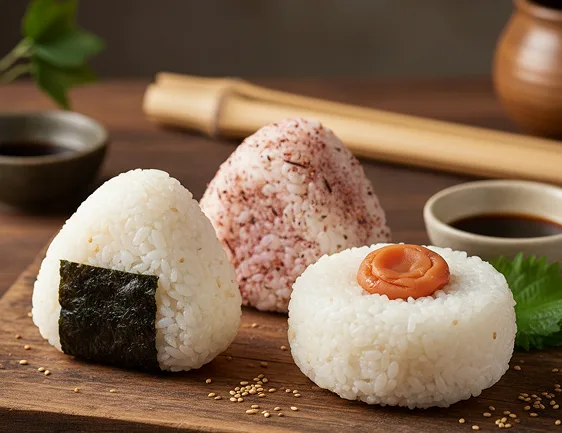
Onigiri is one of the easiest Japanese snacks to fit into a fitness plan.
It is usually a rice ball wrapped in seaweed, with fillings like salmon, tuna mayo, pickled plum, kombu, egg, or chicken.
Onigiri is mostly carbs, but the filling can add some protein and fat.
Approximate macros
Onigiri type | Portion | Calories | Protein | Carbs | Fat |
|---|---|---|---|---|---|
Plain or pickled filling onigiri | 1 piece | 170 to 240 kcal | 3 to 7g | 35 to 50g | 1 to 4g |
Salmon onigiri | 1 piece | 180 to 300 kcal | 6 to 14g | 35 to 50g | 2 to 8g |
Tuna mayo onigiri | 1 piece | 200 to 320 kcal | 5 to 12g | 35 to 50g | 5 to 12g |
Balance it
One onigiri can work well as a snack.
Two onigiri can become a small meal.
If the filling is low in protein, add a protein source beside it.
Good add-ons include: Boiled eggs, edamame, Greek yogurt, tofu, chicken, tuna, miso soup, and a protein drink if useful
Make it protein-rich
Choose salmon, tuna, chicken, egg, or seafood fillings.
If you are having a plain or pickled filling, add protein somewhere else in the meal.
2. Takoyaki
Takoyaki are octopus balls made with batter, octopus, sauce, mayo, bonito flakes, and seaweed.
They are tasty and easy to share, but they are usually more carb and fat-heavy than protein-heavy.
The octopus adds some protein, but the batter, sauce, and mayo do a lot of the calorie work.

Approximate macros
Portion | Calories | Protein | Carbs | Fat |
|---|---|---|---|---|
6 takoyaki | 300 to 500 kcal | 10 to 18g | 35 to 60g | 12 to 28g |
8 takoyaki | 400 to 650 kcal | 14 to 24g | 50 to 80g | 16 to 35g |
Balance it
A normal portion can fit well.
If you are having takoyaki as a snack, keep the next meal protein-focused.
Watch the extras: extra mayo, extra sauce, large portions, sweet drinks, and another fried snack after it
Make it protein-rich
Takoyaki already has some protein from octopus, but it is not usually a high-protein meal.
Pair it with edamame, grilled chicken, tofu, eggs, sashimi, fish, or a protein-focused dinner.
3. Okonomiyaki
Okonomiyaki is a savoury Japanese pancake usually made with batter, cabbage, egg, sauce, mayo, bonito flakes, and fillings like pork, seafood, or cheese.
It can be filling, but the calories vary a lot depending on the size, mayo, sauce, oil, and toppings.

Approximate macros
Okonomiyaki type | Portion | Calories | Protein | Carbs | Fat |
|---|---|---|---|---|---|
Vegetable okonomiyaki | 1 serving | 450 to 700 kcal | 12 to 25g | 55 to 85g | 18 to 35g |
Pork or seafood okonomiyaki | 1 serving | 500 to 850 kcal | 18 to 35g | 55 to 90g | 20 to 45g |
Cheese or extra mayo version | 1 serving | 650 to 1,000 kcal | 20 to 40g | 60 to 100g | 35 to 60g |
Balance it
Treat okonomiyaki as a full meal, not a small snack.
Choose a protein filling if possible.
Ask for less mayo if that works for you.
If the serving is large, share it or keep the rest of the meal simple.
Make it protein-rich
Choose pork, squid, prawns, seafood, egg, tofu, or extra protein toppings.
If it is mostly cabbage and batter, make the next meal protein-focused.
4. Yakisoba
Yakisoba is stir-fried noodles with vegetables, sauce, and sometimes pork, chicken, seafood, or egg.
It can be satisfying, but it is usually carb-heavy because noodles are the base.
Calories depend on oil, noodle portion, sauce, and protein.

Approximate macros
Portion | Calories | Protein | Carbs | Fat |
|---|---|---|---|---|
1 plate yakisoba | 500 to 800 kcal | 15 to 30g | 70 to 105g | 15 to 35g |
Balance it
Choose a version with protein if available.
Good options include chicken, pork, seafood, egg, or tofu.
If the plate is mostly noodles, keep the next meal lower in carbs and higher in protein.
Make it protein-rich
Ask for extra egg, chicken, pork, tofu, seafood, or edamame on the side.
If you are making it at home, use more vegetables and protein, and keep the noodles to a clear portion.
5. Yakitori
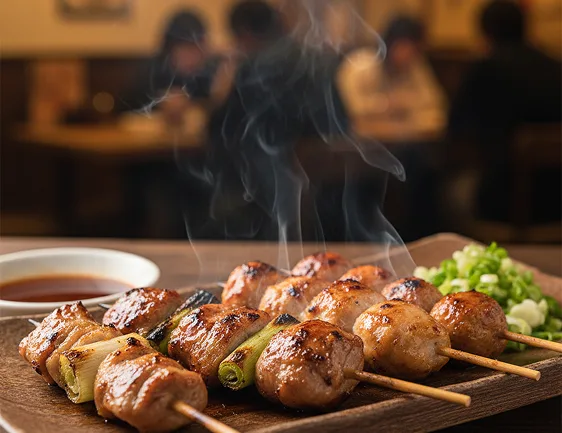
Yakitori is grilled chicken on skewers.
This is one of the easier Japanese street foods to balance because it is protein-based.
The main things to watch are skin-heavy cuts, tare sauce, and how many skewers you eat.
Approximate macros
Yakitori type | Portion | Calories | Protein | Carbs | Fat |
|---|---|---|---|---|---|
Lean chicken skewers | 3 skewers | 250 to 400 kcal | 30 to 45g | 2 to 12g | 8 to 20g |
Chicken thigh or skin skewers | 3 skewers | 350 to 550 kcal | 25 to 40g | 2 to 15g | 18 to 35g |
Tare sauce skewers | 3 skewers | 300 to 500 kcal | 25 to 45g | 10 to 25g | 8 to 28g |
Balance it
Yakitori can be a strong protein choice.
Choose salt-grilled skewers if you want a simpler option.
If you choose tare sauce, that is fine. Just count the sauce and keep sweet drinks or extra sides controlled.
Make it protein-rich
It is already protein-rich.
Choose chicken breast, thigh, meatballs, liver, or mixed skewers depending on your preferences.
Add rice, onigiri, or noodles only if you need the carbs for the meal.
6. Karaage
Karaage is Japanese fried chicken.
It is protein-rich, but also calorie-dense because it is fried.
This can still fit well when you treat it as the main part of the meal.

Approximate macros
Portion | Calories | Protein | Carbs | Fat |
|---|---|---|---|---|
3 pieces karaage | 250 to 450 kcal | 18 to 30g | 12 to 28g | 12 to 28g |
5 pieces karaage | 400 to 700 kcal | 25 to 45g | 20 to 45g | 20 to 40g |
Balance it
Karaage already brings protein.
Keep the sides simple.
Good pairings include: salad, miso soup, oden, vegetables, one onigiri, and a moderate rice portion.
Watch out for mayo, creamy dips, extra rice, fries, and sweet drinks.
Make it protein-rich
Karaage is already protein-rich.
The better move is to manage the extras and avoid stacking multiple fried foods in the same meal.
7. Gyoza
Gyoza are Japanese dumplings usually filled with pork, chicken, cabbage, garlic, and seasonings.
They can be pan-fried, steamed, or boiled.
They are usually moderate in calories, but the portion and cooking method matter.

Approximate macros
Portion | Calories | Protein | Carbs | Fat |
|---|---|---|---|---|
6 gyoza | 250 to 450 kcal | 10 to 20g | 30 to 50g | 8 to 22g |
10 gyoza | 400 to 700 kcal | 18 to 32g | 50 to 80g | 15 to 35g |
Balance it
Six gyoza can work as a snack or side.
Ten gyoza can become a meal.
If you are having ramen or fried rice with gyoza, count the gyoza as part of the meal, not a small extra.
Also, try the steamed version instead of fried, to help cut down on the extra calories.
Make it protein-rich
Choose pork, chicken, prawn, tofu, or vegetable gyoza with a protein-focused side.
If available, boiled or steamed gyoza may be lighter than pan-fried gyoza.
8. Korokke
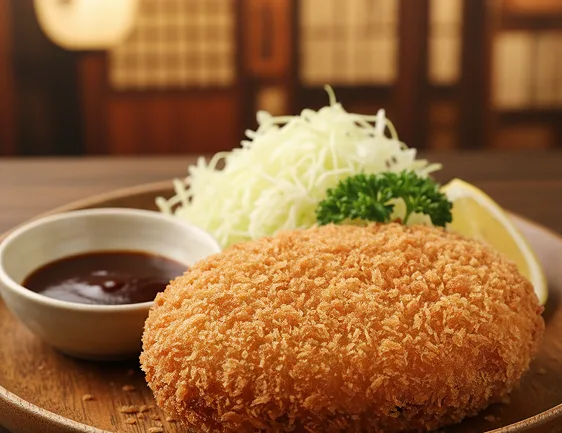
Korokke is a Japanese croquette, usually made with mashed potato, meat or vegetables, breadcrumbs, and frying oil.
It is tasty, but it is usually more carb and fat-heavy than protein-rich.
Approximate macros
Portion | Calories | Protein | Carbs | Fat |
|---|---|---|---|---|
1 korokke | 200 to 350 kcal | 4 to 10g | 25 to 45g | 8 to 20g |
2 korokke | 400 to 700 kcal | 8 to 20g | 50 to 90g | 16 to 40g |
Balance it
One korokke can fit as a snack or side.
Two can become a full-calorie choice, especially with rice or bread.
If the filling is mostly potato, add protein at the next meal.
Make it protein-rich
Choose meat korokke if available, or pair with eggs, tofu, fish, chicken, edamame, or a protein-based main.
9. Oden
Oden is a Japanese simmered dish often sold in convenience stores and street stalls.
It can include daikon, eggs, tofu, konjac, fish cakes, sausages, cabbage rolls, and broth.
Oden can be one of the easiest options to balance because you can choose the items.

Approximate macros
Oden choice | Portion | Calories | Protein | Carbs | Fat |
|---|---|---|---|---|---|
Light oden bowl | 1 bowl | 200 to 350 kcal | 12 to 25g | 15 to 35g | 3 to 12g |
Higher protein oden bowl | 1 bowl | 300 to 500 kcal | 20 to 35g | 20 to 50g | 8 to 18g |
Balance it
Choose more protein-based items.
Good options include: egg, tofu, fish cake, chicken meatball, cabbage roll, daikon, and konjac.
Oden can be a great lighter meal if you build it well.
Make it protein-rich
Choose egg, tofu, fish cake, chicken, and other protein-based items.
Add one onigiri if you need carbs.
10. Nikuman
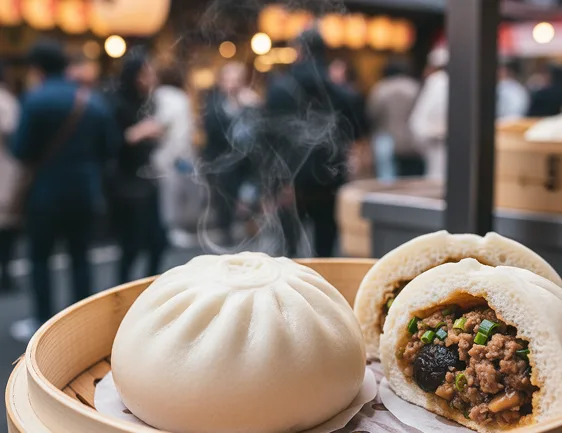
Nikuman is a steamed meat bun.
It is warm, convenient, and filling.
The bun is mostly carbs, while the filling adds some protein and fat.
Approximate macros
Portion | Calories | Protein | Carbs | Fat |
|---|---|---|---|---|
1 nikuman | 250 to 400 kcal | 8 to 16g | 35 to 55g | 6 to 18g |
Balance it
One nikuman can work as a snack or a light meal.
If you are hungry, add soup, eggs, tofu, or edamame rather than automatically having a second bun.
Make it protein-rich
Choose meat, chicken, or seafood buns if available.
Pair with boiled eggs, tofu, oden, or a protein drink if useful.
11. Taiyaki
Taiyaki is a fish-shaped cake, often filled with red bean paste, custard, chocolate, cheese, or sweet potato.
It is usually more of a dessert snack than a balanced meal.
The main calories come from the batter and filling.

Approximate macros
Taiyaki type | Portion | Calories | Protein | Carbs | Fat |
|---|---|---|---|---|---|
Red bean taiyaki | 1 piece | 220 to 350 kcal | 5 to 9g | 45 to 65g | 3 to 10g |
Custard or chocolate taiyaki | 1 piece | 280 to 450 kcal | 5 to 10g | 45 to 70g | 8 to 18g |
Balance it
Treat taiyaki as a dessert or a snack.
If you are already having a big meal, share it or keep it as the main sweet item.
If you have it between meals, make your next meal protein-focused.
Make it protein-rich
You do not need to turn taiyaki into a protein food.
Enjoy it, then balance the day with protein elsewhere.
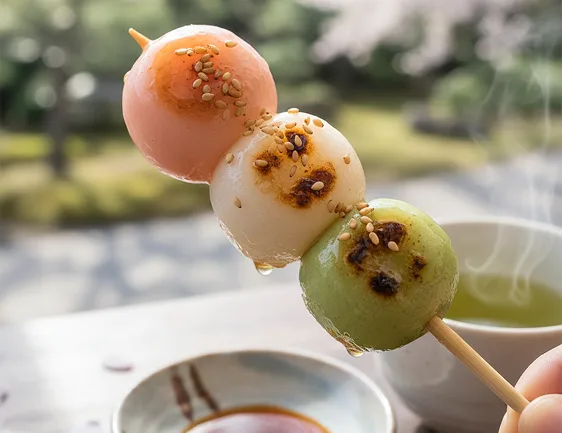
12. Dango
Dango are chewy rice flour dumplings, often served on skewers with sweet soy glaze, red bean, or other toppings.
They are usually low in fat but mostly carbs.
They can fit, but they will not usually keep you full for long on their own.
Approximate macros
Portion | Calories | Protein | Carbs | Fat |
|---|---|---|---|---|
1 skewer dango | 120 to 220 kcal | 2 to 5g | 25 to 45g | 0 to 5g |
2 skewers dango | 240 to 440 kcal | 4 to 10g | 50 to 90g | 0 to 10g |
Balance it
Dango is a carb-based snack.
If you are having it between meals, add protein earlier or later.
If you are having more than one skewer, treat it as a meaningful snack.
Make it protein-rich
You do not need to.
Pair your day with eggs, tofu, yogurt, edamame, fish, chicken, or other protein sources.
13. Daifuku and Mochi
Daifuku is mochi filled with sweet red bean paste, cream, fruit, or other fillings.
Mochi and daifuku can feel small, but they are dense because they are made from glutinous rice and sweet fillings.

Approximate macros
Snack | Portion | Calories | Protein | Carbs | Fat |
|---|---|---|---|---|---|
Plain mochi | 1 piece | 100 to 200 kcal | 2 to 4g | 25 to 45g | 0 to 3g |
Daifuku | 1 piece | 150 to 300 kcal | 2 to 6g | 30 to 60g | 1 to 8g |
Cream daifuku | 1 piece | 200 to 350 kcal | 3 to 7g | 30 to 60g | 6 to 15g |
Balance it
One piece can fit easily.
Two or three pieces can add up quickly.
If the filling is cream-based, count it closer to dessert.
Make it protein-rich
Mochi does not need to be protein-rich.
Just avoid treating it as a full meal replacement unless you pair it with protein.
14. Dorayaki
Dorayaki is made of two small pancake-like cakes with sweet red bean filling.
It is usually a sweet snack, not a protein snack.
It can still fit well if you treat it as a dessert or a planned snack.

Approximate macros
Portion | Calories | Protein | Carbs | Fat |
|---|---|---|---|---|
1 dorayaki | 250 to 400 kcal | 5 to 10g | 45 to 70g | 5 to 15g |
Balance it
Have one and move on.
If you are also having a sweet drink, consider whether you want both.
Pair the rest of the day with protein and vegetables.
Make it protein-rich
You do not need to.
If you want a more filling snack, pair it with Greek yogurt, milk, edamame, eggs, or a protein-based meal later.
15. Melon Pan
Melon pan is a sweet Japanese bread with a cookie-like crust.
It is usually more calorie-dense than it looks because it combines bread, sugar, and fat.
It can be enjoyable, but it is not usually filling for the calories.

Approximate macros
Portion | Calories | Protein | Carbs | Fat |
|---|---|---|---|---|
1 melon pan | 300 to 500 kcal | 6 to 10g | 55 to 80g | 8 to 22g |
Cream-filled melon pan | 1 piece | 400 to 650 kcal | 7 to 12g | 60 to 90g |
Balance it
Treat melon pan as a sweet snack or dessert.
If you want it for breakfast, add protein beside it.
Good add-ons include eggs, yogurt, milk, tofu, or a protein drink if useful.
Make it protein-rich
The melon pan itself is not protein-rich.
Make the meal around it more balanced by adding protein.
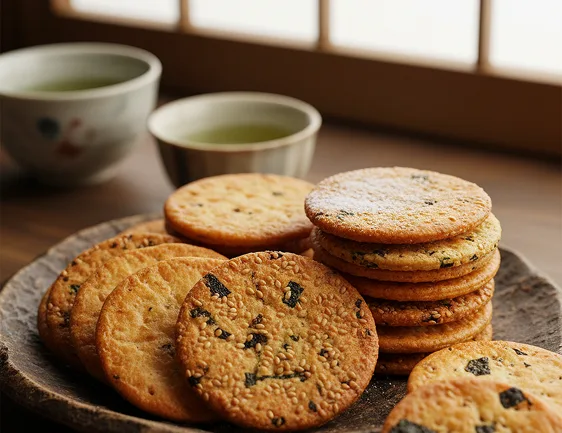
16. Senbei
Senbei are Japanese rice crackers.
They can be a lighter snack, but they are mostly carbs and can be salty.
Calories depend on size, glaze, oil, and whether they are fried or baked.
Approximate macros
Portion | Calories | Protein | Carbs | Fat |
|---|---|---|---|---|
2 to 4 senbei crackers | 100 to 250 kcal | 2 to 6g | 20 to 45g | 0 to 8g |
Balance it
Senbei can fit as a snack.
Because they are crunchy and salty, they are easy to keep eating.
Portion them instead of eating straight from the bag.
Make it protein-rich
Pair with edamame, boiled eggs, tofu, yogurt, tuna, chicken, or a higher-protein meal later.
How to Build a Balanced Japanese Snack or Street Food Meal?
Use this simple structure.
Step 1: Pick the item you actually want
Do not spend calories on the option you only half wanted.
If you want takoyaki, have takoyaki.
If you want taiyaki, have taiyaki.
If you want melon pan, make room for it.
The goal is not to pick the lowest-calorie option every time.
The goal is to make a choice you enjoy and still move on from.
Step 2: Check the protein
Ask yourself:
Where is the protein?
If the answer is unclear, add protein before, after, or at the next meal.
Good Japanese snack and street food protein options include:
Yakitori
Karaage
Oden with egg or tofu
Salmon onigiri
Tuna onigiri
Gyoza
Edamame
Tofu
Eggs
Fish cakes
Grilled fish
Seafood
Chicken skewers
Step 3: Keep the extras controlled
The usual extras are:
Extra mayo
Extra sauce
Large rice portions
Extra noodles
Fried sides
Sweet drinks
Cream fillings
Multiple pastries
Dessert after a large meal
Pick the extras that are worth it.
Skip the ones you do not care about.
Step 4: Use the next meal to balance
A good next meal is simple:
Protein
Vegetables
Moderate carbs
Measured fats
No punishment meal needed.
Just return to your normal structure.
What to Avoid or Balance Out?
Double carb meals
Common double carb meals include:
Yakisoba with rice
Onigiri plus melon pan
Korokke sandwich
Ramen plus gyoza plus rice
Mochi or dango after a noodle-heavy meal
These can still fit.
The better move is to keep the portion clear and add protein elsewhere.
Mayo and sweet sauces
Takoyaki, okonomiyaki, yakisoba, convenience-store sandwiches, and some fried snacks can come with mayo or sweet sauces.
These can fit, but they move calories up quickly.
Better move: choose the sauce you actually want and avoid adding extra by default.
Fried snacks stacking
Karaage, korokke, gyoza, tempura, and fried skewers can add up quickly when stacked together.
Better move: choose one fried item and build the rest of the meal around protein and vegetables.
Sweet bread and sweet drinks
Melon pan, dorayaki, taiyaki, mochi, daifuku, and sweet lattes can all fit.
But a sweet bread plus a sweet drink can become a larger snack than expected.
Better move: choose one main sweet item.
Low protein snacks
Dango, senbei, plain onigiri, melon pan, mochi, and taiyaki are usually not protein rich.
Better move: pair the day with eggs, tofu, edamame, fish, chicken, yogurt, or another protein source.
How to Make Japanese Snacks and Street Food More Protein Rich?
Choose protein-based fillings
Good options include:
Salmon
Tuna
Chicken
Egg
Tofu
Seafood
Pork
Fish cake
Edamame
Build a convenience-store meal
A balanced convenience-store meal could look like:
Onigiri
Boiled eggs
Edamame
Miso soup
Greek yogurt or milk
Or:
Salmon onigiri
Oden with egg and tofu
Vegetable side
Unsweetened tea
Simple can work very well.
Use oden as a protein base
Oden is useful because you can choose the items.
Pick egg, tofu, fish cake, daikon, konjac, and broth.
Add onigiri if you need carbs.
Pair sweet snacks with protein earlier or later
Taiyaki, mochi, dorayaki, dango, and melon pan do not need to become protein foods.
The easier move is to make the meal before or after protein focused.
Choose grilled options when available
Yakitori, grilled fish, grilled squid, and seafood skewers can make the meal easier to balance.
Add rice or noodles only if needed.
Best Japanese Snacks and Street Food Choices by Goal
Usually easier for lower calories
Oden with daikon, egg, tofu, and konjac
Plain or salmon onigiri
Miso soup
Edamame
Yakitori with salt
Senbei in a clear portion
One small mochi or daifuku
Clear soups
Usually better for protein
Yakitori
Karaage
Oden with egg, tofu, and fish cake
Salmon onigiri
Tuna onigiri
Gyoza
Edamame
Grilled seafood
Chicken skewers
Tofu-based snacks
Usually more calorie-dense
Okonomiyaki
Takoyaki with extra mayo
Yakisoba
Karaage with mayo
Korokke
Melon pan
Cream-filled melon pan
Taiyaki
Dorayaki
Daifuku
Dango
Sweet matcha latte
These can still fit.
Just treat them as planned, calorie-dense foods and balance the rest of the day.
Simple Day Structure When Japanese Snacks or Street Food Are Happening
If street food is in the evening
Breakfast: Greek yogurt, eggs, tofu, or a protein smoothie
Lunch: Protein, vegetables, and moderate carbs
Evening: Takoyaki, okonomiyaki, yakisoba, yakitori, or karaage
Dinner: Protein and vegetables if still hungry
If street food is lunch
Breakfast: High protein meal
Lunch: Onigiri, oden, yakitori, yakisoba, gyoza, or karaage
Dinner: Protein-focused and lighter on added fats
If a sweet snack is the main thing you want
Breakfast: Protein-focused
Lunch: Balanced meal with protein and vegetables
Snack: Taiyaki, mochi, dango, dorayaki, melon pan, or matcha latte
Next meal: Normal protein-based meal
If it is a social plan
Eat a normal protein-based meal earlier.
At the street food spot, pick what you actually want.
After that, go back to normal meals.
No overcorrecting needed.
Common Tracking Mistakes
Logging too low
Oil, mayo, sauce, batter, rice, noodles, and sweet fillings are easy to underestimate.
Use a realistic range.
It is better to be roughly right than perfectly wrong.
Forgetting drinks
Sweet matcha lattes, canned coffee, milk tea, and sweet milk drinks can be high in calories.
Log them like snacks, not water.
Treating small sweets as free calories
Mochi, daifuku, dango, dorayaki, and taiyaki can be small but calorie-dense.
Small does not always mean low calorie.
Ignoring protein
Onigiri, dango, melon pan, senbei, taiyaki, and mochi can be satisfying, but they may not give enough protein.
Add protein somewhere else in the day.
Stacking too many extras
A meal can move up quickly when you combine:
Takoyaki
Karaage
Sweet drink
Taiyaki
Melon pan
You can enjoy all of these across a trip or a week.
You do not need all of them in one meal unless that is the plan.
Overcorrecting later
Skipping meals after street food can make hunger worse.
A normal protein-focused meal is usually enough.
Ignoring the weekly average
One Japanese street food meal or snack does not define the week.
The weekly average gives a better picture.
Final Thoughts
Japanese snacks and street food can fit into a fat loss plan.
You do not need to remove onigiri, takoyaki, yakitori, karaage, taiyaki, melon pan, mochi, or matcha lattes from your life.
Most options simply need a little context.
Some are mostly carbs and fats.
Some already have protein.
Some are better as desserts or snacks.
Some work well as full meals.
Pick what you want, keep the portion honest, add protein where needed, and move on with your next normal meal.
A good week can include Japanese snacks and street food.
It just needs a little structure.
FAQs
Can I eat Japanese street food while losing weight?
Yes. Keep the portion clear, add protein during the day, and stay within your weekly calorie target.
Which Japanese street food is best for fat loss?
Usually easier options include oden, yakitori, salmon onigiri, tuna onigiri, edamame, miso soup, grilled seafood, and clear soups.
Which Japanese snacks are highest in protein?
Better protein options include yakitori, karaage, oden with egg and tofu, salmon onigiri, tuna onigiri, gyoza, edamame, tofu, fish cake, and grilled seafood.
How many calories are in onigiri?
One onigiri is usually around 170 to 280 calories, depending on the rice portion and filling. Tuna mayo and richer fillings are usually higher.
Is onigiri good for weight loss?
Onigiri can fit well because it is portion-controlled and easy to track. It is mostly carbs, so pair it with protein if you want a fuller meal.
How many calories are in takoyaki?
Six takoyaki are usually around 300 to 500 calories, depending on size, batter, oil, sauce, and mayo.
Is takoyaki good for weight loss?
Takoyaki can fit into a weight loss plan. It is usually more carb and fat-heavy than protein-heavy, so keep the portion clear and add protein elsewhere in the day.
How many calories are in yakitori?
Three yakitori skewers are usually around 250 to 500 calories, depending on the cut of chicken, sauce, and portion size.
Is yakitori high protein?
Yes. Yakitori is usually one of the better high-protein Japanese street food options, especially if you choose meat-based skewers and keep sauces moderate.
How many calories are in karaage?
Five pieces of karaage are usually around 400 to 700 calories, depending on size, oil, coating, and sauces.
Is mochi good for weight loss?
Mochi can fit into a weight loss plan, but it is mostly carbs and can be calorie-dense for its size. Keep the portion clear and pair your day with enough protein.
Is melon pan high-calorie?
It can be. One melon pan is often around 300 to 500 calories because it combines bread, sugar, and fat. Cream-filled versions are usually higher.
What should I eat after Japanese street food?
Have a normal protein-focused meal with vegetables. Good options include tofu, eggs, fish, chicken, edamame, Greek yogurt, miso soup, or a simple protein and vegetable plate.
How do I make Japanese snacks more protein-rich?
Choose salmon, tuna, chicken, egg, tofu, seafood, edamame, or oden items like egg and fish cake. If the snack is sweet or carb-heavy, make the next meal protein-focused.
What is the easiest way to track Japanese street food?
Use a realistic range. Log the main rice, noodles, batter, oil, mayo, sauce, filling, sweet drink, and dessert. You do not need perfect numbers to make useful decisions.