
Mexican Street Food Calories: How to Eat Street Food and Snacks Without Losing Your Week

Mexican street food can absolutely fit into a fat-loss or fitness plan.
The key is not avoiding tacos, tamales, elote, quesadillas, tortas, churros, or aguas frescas completely.
The key is understanding what each food usually gives you.
A lot of Mexican street food is built around tortillas, masa, rice, beans, meat, cheese, crema, oil, sauces, and sweet drinks. That does not make it bad. It just means the meal may need a little structure around it.
This guide breaks down popular Mexican street foods and snacks, approximate macros, what to balance, what to watch, and how to make each option more protein-rich.
Quick Answer
Most Mexican street foods are built around tortillas, corn masa, beans, meat, cheese, crema, frying oil, or sugar.
Tacos, quesadillas, tamales, sopes, gorditas, tostadas, tortas, elote, churros, and aguas frescas can all fit into a fat loss plan. The main thing is portion size and what gets added on top.
Protein-friendly options are usually tacos with grilled meat, chicken, fish, shrimp, beans, eggs, or cheese; tostadas with protein; tortas with leaner fillings; and street bowls with beans, meat, salsa, and vegetables.
The simplest rule: enjoy the Mexican street food, count it as part of the meal, then make the rest of the day protein-focused and steady.
Macro Estimates: Quick Note
These macros are approximate.
Mexican street food varies by vendor, region, tortilla size, masa portion, oil, cheese, crema, meat cut, beans, sauce, toppings, and cooking method.
Use these numbers as planning ranges, not exact labels.
Mexican Street Food and Snacks at a Glance
Mexican street food or snack | Typical portion | Calories | Protein | Carbs | Fat |
|---|---|---|---|---|---|
Street taco | 1 taco | 150 to 300 kcal | 8 to 18g | 15 to 30g | 5 to 15g |
3 tacos | 3 tacos | 450 to 900 kcal | 25 to 55g | 45 to 90g | 15 to 45g |
Quesadilla | 1 medium | 350 to 650 kcal | 15 to 30g | 35 to 65g | 15 to 35g |
Birria taco | 1 taco | 250 to 450 kcal | 12 to 25g | 15 to 35g | 12 to 28g |
Quesabirria | 1 taco | 350 to 600 kcal | 18 to 35g | 20 to 40g | 20 to 40g |
Tamal | 1 medium | 250 to 500 kcal | 8 to 20g | 30 to 60g | 10 to 25g |
Elote | 1 cob | 250 to 500 kcal | 7 to 15g | 30 to 55g | 10 to 30g |
Esquites | 1 cup | 250 to 500 kcal | 7 to 15g | 35 to 60g | 10 to 28g |
Tostada | 1 piece | 250 to 500 kcal | 10 to 25g | 25 to 50g | 10 to 28g |
Sope | 1 piece | 250 to 500 kcal | 8 to 20g | 30 to 55g | 10 to 28g |
Gordita | 1 piece | 350 to 650 kcal | 12 to 30g | 40 to 70g | 15 to 35g |
Tlacoyo | 1 piece | 250 to 450 kcal | 8 to 18g | 35 to 60g | 6 to 20g |
Torta | 1 sandwich | 600 to 1,000 kcal | 25 to 50g | 65 to 110g | 25 to 55g |
Flautas or taquitos | 3 pieces | 400 to 750 kcal | 15 to 35g | 40 to 75g | 18 to 40g |
Nachos | 1 plate | 500 to 1,000 kcal | 15 to 40g | 50 to 100g | 25 to 60g |
Churros | 1 to 2 pieces | 250 to 550 kcal | 4 to 10g | 35 to 80g | 10 to 25g |
Aguas frescas | 1 cup | 120 to 300 kcal | 0 to 3g | 30 to 70g | 0 to 5g |
The Mexican Street Food Balance Rule
If the food is mostly tortilla, masa, fried carbs, sugar, or cheese, add protein before or after.
Examples:
Tamal plus a protein-focused meal later
Elote as the snack, not the whole meal
Churros after a proper meal, not as lunch
Quesadilla with beans, chicken, mushrooms, or extra protein
Torta with a lighter dinner built around protein and vegetables
If the food already has protein, keep the extras controlled.
Examples:
Tacos with grilled meat, onion, cilantro, and salsa
Chicken tostada with less crema
Fish taco with cabbage and salsa
Bean tlacoyo with cheese and salsa
Birria tacos with a clear portion and moderate consommé
1. Street Tacos
Street tacos can be one of the easiest Mexican street foods to balance because the portion is clear.
A taco usually has a tortilla, protein, salsa, onion, cilantro, and sometimes toppings like cheese, crema, guacamole, or extra sauce.
The calories depend on the tortilla size, meat cut, oil, and toppings.

Approximate macros
Portion | Calories | Protein | Carbs | Fat |
|---|---|---|---|---|
1 street taco | 150 to 300 kcal | 8 to 18g | 15 to 30g | 5 to 15g |
3 street tacos | 450 to 900 kcal | 25 to 55g | 45 to 90g | 15 to 45g |
Balance it
Three tacos can be a full meal.
Choose the filling you actually want.
If the meat is fatty or oily, keep cheese, crema, and fried sides moderate.
If the tacos are smaller, you may need a side like beans, salad, or grilled vegetables for fullness.
Make it protein-rich
Choose grilled chicken, carne asada, fish, shrimp, eggs, beans, or leaner pork.
Add salsa, onion, cilantro, cabbage, or pico de gallo for volume without making the meal much heavier.
2. Tacos al Pastor
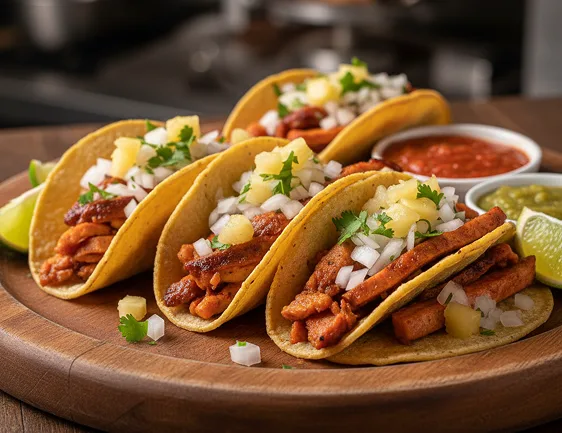
Tacos al pastor are usually made with marinated pork, pineapple, onion, cilantro, and salsa.
They can fit well, especially because they have a clear protein source.
The main calorie drivers are the pork cut, oil, tortilla count, and toppings.
Approximate macros
Portion | Calories | Protein | Carbs | Fat |
|---|---|---|---|---|
1 taco al pastor | 170 to 320 kcal | 9 to 18g | 15 to 30g | 7 to 18g |
3 tacos al pastor | 500 to 950 kcal | 30 to 55g | 45 to 90g | 20 to 55g |
Balance it
Use the taco count as your portion guide.
Three tacos may be enough for a meal.
If you are also having elote, churros, or a sweet drink, count those as part of the same eating window.
Make it protein-rich
Al pastor already has protein.
The better move is to keep extras controlled and add fresh toppings like onion, cilantro, salsa, and lime.
3. Quesadilla
A quesadilla is usually made with a tortilla and cheese. It may also include chicken, mushrooms, squash blossom, beans, chorizo, beef, or other fillings.
It can be balanced if the filling has protein.
It becomes more calorie-dense when it is large, fried, extra cheesy, or served with crema and guacamole.

Approximate macros
Quesadilla type | Portion | Calories | Protein | Carbs | Fat |
|---|---|---|---|---|---|
Cheese quesadilla | 1 medium | 350 to 550 kcal | 12 to 22g | 35 to 60g | 15 to 30g |
Chicken or beef quesadilla | 1 medium | 450 to 700 kcal | 25 to 40g | 35 to 65g | 18 to 35g |
Fried quesadilla | 1 medium | 500 to 800 kcal | 15 to 35g | 40 to 75g | 25 to 45g |
Balance it
If it is mostly cheese and tortilla, add protein elsewhere.
If it has chicken, beef, beans, or mushrooms, it can work better as a full meal.
Watch the extras: extra cheese, crema, guacamole, oil, large tortilla, fried shell, and sweet drink on the side.
Make it protein-rich
Choose chicken, beef, beans, mushrooms, eggs, shrimp, or extra filling.
For a vegetarian version, beans, mushrooms, cheese, and salsa can work well.
4. Birria Tacos and Quesabirria
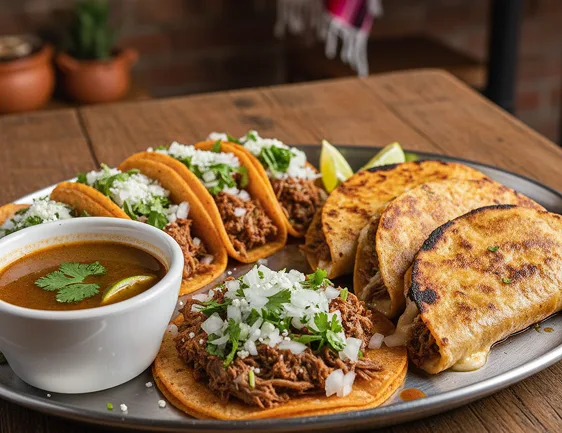
Birria tacos are usually made with slow-cooked meat and served with consommé.
Quesabirria adds cheese and is often griddled until crispy.
These are protein-rich, but they can also be higher in fat because of the meat, cheese, oil, and consommé.
Approximate macros
Food | Portion | Calories | Protein | Carbs | Fat |
|---|---|---|---|---|---|
Birria taco | 1 taco | 250 to 450 kcal | 12 to 25g | 15 to 35g | 12 to 28g |
Quesabirria taco | 1 taco | 350 to 600 kcal | 18 to 35g | 20 to 40g | 20 to 40g |
3 quesabirria tacos | 1 plate | 1,000 to 1,800 kcal | 55 to 100g | 60 to 120g | 60 to 120g |
Balance it
Quesabirria can be a full meal quickly.
Keep the portion clear.
If you choose three tacos, that may be the main meal of the day.
Balance the next meal with lean protein, vegetables, and lighter fats.
Make it protein-rich
It is already protein-rich.
The better move is to manage cheese, oil, taco count, and sides.
5. Tamales
Tamales are made with masa and filling, then steamed in corn husks or banana leaves.
Fillings may include chicken, pork, cheese, beans, vegetables, mole, or sweet ingredients.
Tamales can be filling, but they are often more calorie-dense than they look because masa usually contains added fat.

Approximate macros
Tamal type | Portion | Calories | Protein | Carbs | Fat |
|---|---|---|---|---|---|
Chicken or pork tamal | 1 medium | 300 to 500 kcal | 12 to 22g | 35 to 60g | 12 to 25g |
Cheese tamal | 1 medium | 300 to 550 kcal | 10 to 20g | 35 to 60g | 15 to 30g |
Sweet tamal | 1 medium | 250 to 500 kcal | 5 to 12g | 45 to 75g | 8 to 22g |
Balance it
One tamal can fit as a snack or light meal.
Two tamales can become a full meal.
If the filling is low protein, add protein before or after.
Make it protein-rich
Choose chicken, pork, beans, cheese, or other protein-based fillings.
Pair with eggs, beans, salsa, salad, or a protein-focused meal later.
6. Elote
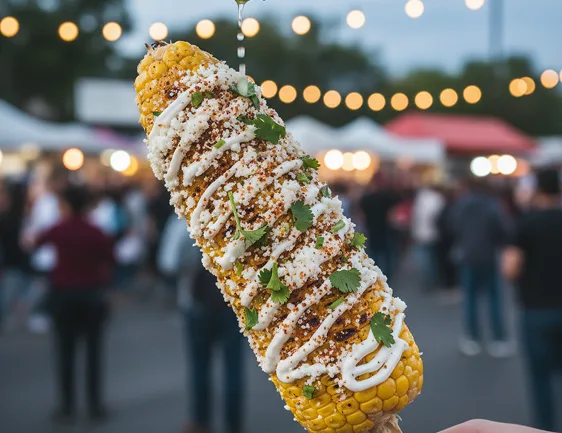
Elote is Mexican street corn, usually served with mayo, crema, cheese, chilli, lime, and sometimes butter.
Corn itself is not the issue.
The toppings are what move calories up quickly.
Approximate macros
Portion | Calories | Protein | Carbs | Fat |
|---|---|---|---|---|
1 elote | 250 to 500 kcal | 7 to 15g | 30 to 55g | 10 to 30g |
Balance it
Elote can fit well as a snack or side.
If the toppings are heavy, treat it as a meaningful snack, not just a vegetable.
If you are having it with tacos, keep the taco count clear.
Make it protein-rich
Elote is not usually high in protein.
Pair it with grilled meat, beans, chicken, fish, shrimp, eggs, tofu, or another protein source.
7. Esquites
Esquites are corn kernels served in a cup, usually with mayo, crema, cheese, chilli, lime, and sometimes butter.
Like elote, the corn is fine. The toppings decide how heavy it gets.

Approximate macros
Portion | Calories | Protein | Carbs | Fat |
|---|---|---|---|---|
1 cup esquites | 250 to 500 kcal | 7 to 15g | 35 to 60g | 10 to 28g |
Balance it
Keep the cup size clear.
Ask for lighter mayo or crema if that works for you.
If you want the full topping version, enjoy it and keep the rest of the meal simple.
Make it protein-rich
Add beans or cheese if available, but do not force it.
The easier move is to make the meal before or after protein focused.
8. Tostadas
A tostada is a crisp tortilla topped with beans, meat, seafood, chicken, cheese, lettuce, salsa, crema, or avocado.
This can be balanced if the toppings include protein.
It becomes heavier with extra fried tortilla, crema, cheese, and avocado.

Approximate macros
Tostada type | Portion | Calories | Protein | Carbs | Fat |
|---|---|---|---|---|---|
Bean tostada | 1 piece | 250 to 400 kcal | 8 to 16g | 30 to 50g | 8 to 20g |
Chicken or beef tostada | 1 piece | 300 to 500 kcal | 18 to 30g | 25 to 50g | 10 to 28g |
Seafood tostada | 1 piece | 250 to 450 kcal | 18 to 35g | 25 to 45g | 8 to 22g |
Balance it
One tostada can be a snack or a light meal.
Two tostadas can be a proper meal.
Choose protein toppings and use crema, cheese, and avocado in a way that fits the rest of the day.
Make it protein-rich
Choose chicken, beef, fish, shrimp, tuna, beans, or eggs.
Add lettuce, cabbage, salsa, pico de gallo, and lime for volume.
9. Sopes
Sopes are thick masa bases topped with beans, meat, lettuce, cheese, crema, salsa, and sometimes avocado.
They are filling, but masa plus toppings can make them calorie-dense.

Approximate macros
Portion | Calories | Protein | Carbs | Fat |
|---|---|---|---|---|
1 sope | 250 to 500 kcal | 8 to 20g | 30 to 55g | 10 to 28g |
2 sopes | 500 to 1,000 kcal | 16 to 40g | 60 to 110g | 20 to 55g |
Balance it
One sope can fit easily.
Two may be the meal.
Choose a protein topping and keep the crema and cheese moderate if you want a lighter option.
Make it protein-rich
Choose chicken, beef, pork, beans, eggs, or cheese.
Add salsa, lettuce, cabbage, and pico de gallo for more volume.
10. Gorditas
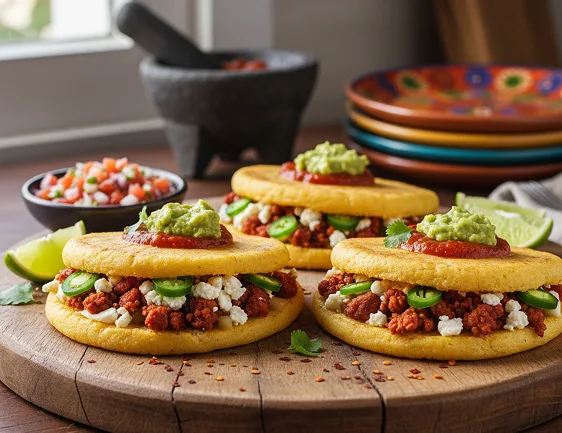
Gorditas are thick masa pockets filled with meat, cheese, beans, chicharrón, potatoes, or other fillings.
They are satisfying, but often more calorie-dense than tacos because the masa portion is larger.
Approximate macros
Gordita type | Portion | Calories | Protein | Carbs | Fat |
|---|---|---|---|---|---|
Bean or cheese gordita | 1 piece | 350 to 550 kcal | 10 to 22g | 40 to 70g | 12 to 30g |
Meat gordita | 1 piece | 400 to 650 kcal | 18 to 35g | 40 to 70g | 15 to 35g |
Fried gordita | 1 piece | 500 to 800 kcal | 15 to 35g | 45 to 80g | 25 to 45g |
Balance it
Treat one Gordita as a proper snack or small meal.
If it is fried or filled with a fatty filling, keep the rest of the meal lighter.
If you want two, make them the meal and avoid stacking extra fried snacks.
Make it protein-rich
Choose chicken, beef, beans, cheese, eggs, or a leaner meat filling.
Add salsa and vegetables where available.
11. Tlacoyos
Tlacoyos are oval masa cakes often filled with beans, cheese, or fava beans, then topped with salsa, nopales, cheese, or other toppings.
They can be a good street food choice because beans add fiber and some protein.
The main thing to watch is portion size and toppings.

Approximate macros
Portion | Calories | Protein | Carbs | Fat |
|---|---|---|---|---|
1 tlacoyo | 250 to 450 kcal | 8 to 18g | 35 to 60g | 6 to 20g |
Balance it
A tlacoyo can work as a filling snack or light meal.
If it is topped with a lot of cheese, crema, or oil, count that clearly.
Add protein later if the filling is mostly masa and beans.
Make it protein-rich
Choose bean, cheese, or fava bean fillings.
Add chicken, eggs, meat, or extra beans if available.
12. Tortas
A torta is a Mexican sandwich, often made with a bread roll and fillings like meat, cheese, beans, avocado, mayo, crema, eggs, or chorizo.
Tortas can be protein-rich, but they can also be very calorie-dense because of the bread, spreads, cheese, avocado, and meat.

Approximate macros
Torta type | Portion | Calories | Protein | Carbs | Fat |
|---|---|---|---|---|---|
Chicken or beef torta | 1 sandwich | 600 to 900 kcal | 30 to 50g | 65 to 100g | 20 to 45g |
Milanesa torta | 1 sandwich | 750 to 1,100 kcal | 30 to 55g | 75 to 120g | 35 to 65g |
Chorizo or extra cheese torta | 1 sandwich | 800 to 1,200 kcal | 30 to 55g | 70 to 110g | 40 to 75g |
Balance it
Treat a torta as a full meal.
If the filling is fried, like milanesa, keep sides simple.
Watch mayo, crema, avocado, extra cheese, and chips on the side.
Make it protein-rich
Choose chicken, beef, egg, beans, tuna, turkey, or a leaner meat filling.
Add vegetables and salsa.
If the sandwich is already large, the better move is portion control rather than adding more.
13. Flautas and Taquitos
Flautas and taquitos are rolled tortillas filled with meat, chicken, cheese, or beans, then fried until crisp.
They are tasty and often protein-containing, but frying and toppings can move calories up quickly.

Approximate macros
Portion | Calories | Protein | Carbs | Fat |
|---|---|---|---|---|
3 flautas or taquitos | 400 to 750 kcal | 15 to 35g | 40 to 75g | 18 to 40g |
5 flautas or taquitos | 650 to 1,100 kcal | 25 to 55g | 65 to 120g | 30 to 65g |
Balance it
Three can be a meal depending on size.
Keep crema, cheese, guacamole, and extra sauce moderate if you want a lighter plate.
Add lettuce, salsa, cabbage, or pico de gallo for volume.
Make it protein-rich
Choose chicken, beef, beans, or cheese fillings.
If the filling is small and the tortilla is doing most of the work, make the next meal protein-focused.
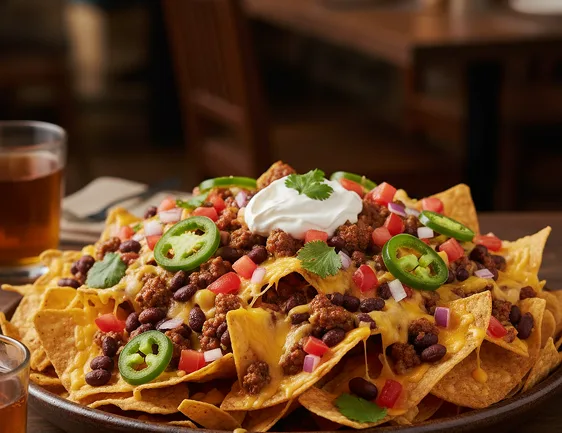
14. Nachos
Nachos are usually tortilla chips topped with cheese, beans, meat, salsa, crema, guacamole, jalapeños, and other extras.
They can fit, but they are easy to underestimate because the portion is often shared and hard to track.
Approximate macros
Portion | Calories | Protein | Carbs | Fat |
|---|---|---|---|---|
Small plate nachos | 500 to 750 kcal | 15 to 30g | 50 to 80g | 25 to 45g |
Large shared plate | 800 to 1,500 kcal | 25 to 60g | 80 to 150g | 40 to 90g |
Balance it
If nachos are the main thing you want, enjoy them as the meal.
If they are just a starter, take a clear portion and move on.
Watch the combination of chips, cheese, crema, guacamole, and meat.
Make it protein-rich
Choose beans, chicken, beef, shrimp, or extra protein.
Add salsa, pico de gallo, jalapeños, and lettuce for volume.
15. Churros
Churros are fried dough, often coated in sugar and sometimes served with chocolate, caramel, or sweet dips.
They can fit into a fat loss plan, but they are dessert, not a light snack.

Approximate macros
Portion | Calories | Protein | Carbs | Fat |
|---|---|---|---|---|
1 churro | 150 to 300 kcal | 2 to 5g | 20 to 40g | 6 to 15g |
2 churros with dip | 350 to 650 kcal | 4 to 10g | 50 to 90g | 12 to 30g |
Balance it
Have the churro if that is what you want.
If you already had a large meal, share it or keep it to one.
If you add chocolate or caramel dip, count it as part of the dessert.
Make it protein-rich
You do not need to make churros protein-rich.
The easier move is to make the meal before or after protein focused.
16. Aguas Frescas
Aguas frescas are fruit-based drinks, often made with water, fruit, sugar, and sometimes milk or rice, depending on the drink.
Popular versions include agua de jamaica, horchata, tamarind, melon, pineapple, and lime.
They can be refreshing, but they can also add up quickly if sweetened heavily.

Approximate macros
Drink | Portion | Calories | Protein | Carbs | Fat |
|---|---|---|---|---|---|
Fruit agua fresca | 1 cup | 120 to 250 kcal | 0 to 2g | 30 to 60g | 0 to 2g |
Horchata | 1 cup | 180 to 350 kcal | 1 to 5g | 35 to 70g | 2 to 10g |
Large sweet drink | 1 large cup | 250 to 500 kcal | 0 to 5g | 60 to 110g | 0 to 12g |
Balance it
Treat sweet drinks as part of the meal, not a free add-on.
If you are also having churros, elote, or a large torta, decide whether you want the drink as well.
A sweet drink plus a dessert can become a bigger choice than expected.
Make it protein-rich
There is no need to turn every drink into a protein drink.
Choose a smaller portion, less sugar if available, or pair your day with protein from food.
How to Build a Balanced Mexican Street Food Meal?
Use this simple structure.
Step 1: Pick the item you actually want
Do not spend calories on the option you only half wanted.
If you want tacos, have tacos.
If you want elote, have elote.
If you want churros, make room for them.
The goal is not to choose the lowest-calorie option every time.
The goal is to make a choice you enjoy and still move on from.
Step 2: Check the protein
Ask yourself:
Where is the protein?
If the answer is unclear, add protein before, after, or at the next meal.
Good Mexican street food protein options include:
Grilled chicken
Carne asada
Fish
Shrimp
Eggs
Beans
Cheese
Pork
Beef
Birria
Chicken tostadas
Bean tlacoyos
Protein-based tacos
Step 3: Keep the extras controlled
The usual extras are:
Extra cheese
Crema
Mayo
Guacamole
Fried shells
Large tortillas
Extra oil
Chips
Sweet drinks
Churros after a large meal
Pick the extras that are worth it.
Skip the ones you do not care about.
Step 4: Use the next meal to balance
A good next meal is simple:
Protein
Vegetables
Moderate carbs
Measured fats
No punishment meal needed.
Just return to your normal structure.
What to Avoid or Balance Out?
Double carb meals
Common double carb meals include:
Torta with chips
Tacos plus rice
Quesadilla plus nachos
Tamal plus a sweet drink
Gordita plus churros
Nachos plus tortillas on the side
These can still fit.
The better move is to keep the portion clear and add protein elsewhere.
Extra crema, cheese, mayo, and guacamole
These toppings can fit, but they move calories up quickly.
Better move: choose the toppings you actually care about instead of adding everything by default.
Fried snacks stacking
Flautas, taquitos, fried quesadillas, chips, churros, and fried gorditas can add up when stacked together.
Better move: choose one fried item and keep the rest of the meal simple.
Sweet drinks
Aguas frescas, horchata, sweet coffee drinks, and soft drinks can add meaningful calories.
Better move: choose water, soda water, unsweetened tea, or a smaller sweet drink when the food itself is already rich.
Low protein snacks
Elote, esquites, churros, chips, sweet tamales, and some quesadillas may not be protein-rich.
Better move: pair the day with beans, eggs, chicken, fish, shrimp, beef, tofu, Greek yogurt, or another protein source.
How to Make Mexican Street Food More Protein Rich?
Choose protein-based fillings
Good options include:
Chicken
Carne asada
Fish
Shrimp
Eggs
Beans
Cheese
Pork
Beef
Birria
Tofu if available
Add beans
Beans are useful because they add protein, carbs, and fiber.
They work well with:
Tacos
Tostadas
Sopes
Tlacoyos
Gorditas
Quesadillas
Tortas
Use salsa and vegetables for volume
Salsa, pico de gallo, cabbage, lettuce, onion, cilantro, lime, nopales, and grilled vegetables can make a meal feel bigger without relying only on cheese, crema, or oil.
Choose grilled when available
Grilled meat, fish, shrimp, and chicken can make the meal easier to balance than fried versions.
That does not mean fried food is off-limits.
It just means grilled options are usually easier to fit more often.
Make the next meal protein focused
This is often the easiest fix.
If the street food was mostly tortilla, masa, cheese, fried snacks, or dessert, keep the next meal built around protein and vegetables.
Best Mexican Street Food Choices by Goal
Usually easier for lower calories
Street tacos with grilled meat
Chicken tacos
Fish tacos with salsa and cabbage
Bean tostada with moderate toppings
Tlacoyo with beans and salsa
One tamal with a protein side
Elote with lighter toppings
Smaller agua fresca
Usually better for protein
Carne asada tacos
Chicken tacos
Fish tacos
Shrimp tacos
Birria tacos
Chicken tostada
Bean and cheese tlacoyo
Chicken or beef torta
Quesadilla with chicken, beef, beans, or mushrooms
Tacos with eggs or beans
Usually more calorie-dense
Quesabirria
Large torta
Milanesa torta
Nachos
Fried quesadilla
Flautas or taquitos with toppings
Gorditas
Elote with full toppings
Churros with dip
Horchata or large agua fresca
These can still fit.
Just treat them as planned, calorie-dense foods and balance the rest of the day.
Simple Day Structure When Mexican Street Food Is Happening
If street food is in the evening
Breakfast: Greek yogurt, eggs, tofu, paneer, or a protein smoothie
Lunch: Protein, vegetables, and moderate carbs
Evening: Tacos, tamales, quesadilla, torta, or elote
Dinner: Protein and vegetables if still hungry
If street food is lunch
Breakfast: High protein meal
Lunch: Tacos, tostadas, quesadilla, tamal, torta, or birria
Dinner: Protein focused and lighter on added fats
If a sweet snack is the main thing you want
Breakfast: Protein focused
Lunch: Balanced meal with protein and vegetables
Snack: Churros, sweet tamal, horchata, or agua fresca
Next meal: Normal protein-based meal
If it is a social plan
Eat a normal protein-based meal earlier.
At the street food spot, pick what you actually want.
After that, go back to normal meals.
No overcorrecting needed.
Common Tracking Mistakes
Logging too low
Oil, cheese, crema, mayo, tortillas, masa, and sweet drinks are easy to underestimate.
Use a realistic range.
It is better to be roughly right than perfectly wrong.
Forgetting tortillas
A taco is not just the filling.
Tortillas can be a meaningful part of the calories, especially when you have several tacos or larger tortillas.
Treating toppings as free
Cheese, crema, guacamole, mayo, and sauces can fit, but they still count.
Use them where they make the food better.
Skip the ones you do not care about.
Ignoring drinks
Aguas frescas and horchata can be closer to a snack than water.
Log them like part of the meal.
Treating small fried foods as light
Flautas, taquitos, fried quesadillas, chips, and churros can be small but calorie-dense.
Small does not always mean low calorie.
Ignoring protein
Elote, churros, sweet tamales, chips, and some quesadillas can be satisfying, but they may not give enough protein.
Add protein somewhere else in the day.
Overcorrecting later
Skipping meals after street food can make hunger worse.
A normal protein-focused meal is usually enough.
Ignoring the weekly average
One Mexican street food meal or snack does not define the week.
The weekly average gives a better picture.
Final Thoughts
Mexican street food can fit into a fat loss plan.
You do not need to remove tacos, tamales, quesadillas, elote, tortas, churros, or aguas frescas from your life.
Most options simply need a little context.
Some are mostly tortillas, masa, and toppings.
Some already have protein.
Some are better as desserts or snacks.
Some work well as full meals.
Pick what you want, keep the portion honest, add protein where needed, and move on with your next normal meal.
A good week can include Mexican street food.
It just needs a little structure.
FAQs
Can I eat Mexican street food while losing weight?
Yes. Keep the portion clear, add protein during the day, and stay within your weekly calorie target.
Which Mexican street food is best for fat loss?
Usually easier options include street tacos with grilled meat, chicken tacos, fish tacos, bean tostadas, tlacoyos, and one tamal with a protein side.
Which Mexican street food is highest in protein?
Good protein options include carne asada tacos, chicken tacos, fish tacos, shrimp tacos, birria tacos, chicken tostadas, tortas with lean meat, and quesadillas with chicken, beef, beans, or eggs.
How many calories are in a street taco?
One street taco is usually around 150 to 300 calories, depending on tortilla size, filling, oil, and toppings.
Are tacos good for weight loss?
Tacos can fit very well into a weight loss plan. The main thing is taco count, filling choice, tortilla size, and toppings.
How many calories are in a quesadilla?
One medium quesadilla is usually around 350 to 650 calories. Fried versions, larger tortillas, extra cheese, and crema can make it higher.
Are tamales high calorie?
They can be. One medium tamal is usually around 250 to 500 calories, depending on masa, fat, filling, and size.
How many calories are in elote?
One elote is usually around 250 to 500 calories, depending on mayo, crema, cheese, butter, and portion size.
Is elote good for fat loss?
Elote can fit into a fat loss plan. It is best treated as a snack or side, especially if it has full toppings.
How many calories are in churros?
One churro is usually around 150 to 300 calories. Two churros with chocolate or caramel dip can be around 350 to 650 calories.
Is horchata high in calories?
It can be. One cup of horchata is often around 180 to 350 calories, depending on sugar, rice, milk, and serving size.
What should I eat after Mexican street food?
Have a normal protein-focused meal with vegetables. Good options include eggs, beans, chicken, fish, shrimp, tofu, Greek yogurt, or a simple protein and vegetable plate.
How do I make Mexican street food more protein-rich?
Choose fillings with chicken, beef, fish, shrimp, eggs, beans, cheese, pork, or birria. Add salsa, vegetables, and beans instead of relying only on cheese, crema, or fried sides.
What is the easiest way to track Mexican street food?
Use a realistic range. Log the tortillas, masa, filling, oil, cheese, crema, guacamole, sauce, sweet drink, and dessert. You do not need perfect numbers to make useful decisions.