
Indian Street Food Macros: How to Eat More Without Losing Your Week
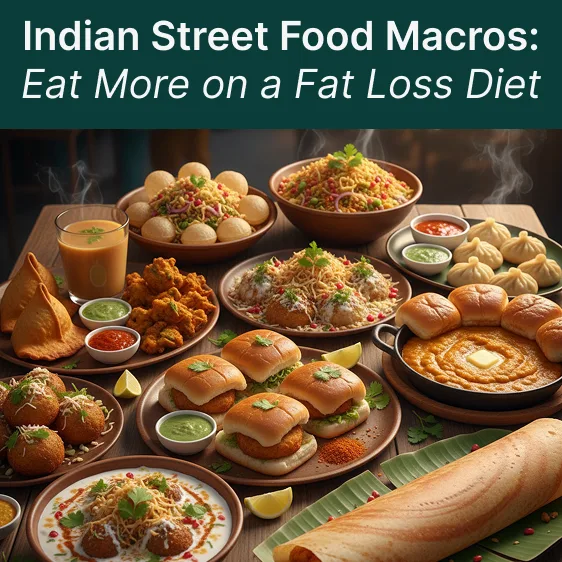
Indian street food can absolutely fit into a fat-loss or fitness plan. The key is knowing what each food usually gives you.
Most street foods are higher in carbs and fats, and lower in protein. That does not make them bad. It just means they need a little structure around them.
This guide breaks down popular Indian street foods, approximate macros, what to balance, what to watch, and how to make each option more protein-rich.
Quick Answer
Most Indian street foods are carb-heavy and fat-heavy, with modest protein. Vada pav, samosa, pakora, and pav bhaji are usually more calorie-dense because of frying, butter, pav (bread), and potato. Pani puri and bhel puri are often lighter, but still low in protein. Dahi or yoghurt-based chaats, dosa, kati rolls, and momos are easier to balance when you choose portions well and add protein.
The simplest rule: enjoy the street food, count it as part of the meal, then make the next meal protein-focused.
Macro Estimates: Quick Note
These macros are approximate. Street food varies by vendor, portion size, oil, butter, chutney, filling, and toppings.
Use these numbers as planning ranges, not exact labels.
Indian Street Food Macros at a Glance
Street food | Typical portion | Calories | Protein | Carbs | Fat |
|---|---|---|---|---|---|
Vada pav | 1 piece | 300 to 400 kcal | 6 to 9g | 45 to 60g | 10 to 18g |
Samosa | 1 medium | 250 to 350 kcal | 4 to 7g | 30 to 45g | 12 to 20g |
Pakora | 1 plate | 300 to 500 kcal | 8 to 14g | 30 to 50g | 18 to 30g |
Pani puri | 6 pieces | 180 to 300 kcal | 4 to 7g | 35 to 50g | 4 to 10g |
Bhel puri | 1 plate | 250 to 400 kcal | 6 to 10g | 45 to 65g | 6 to 15g |
Dahi puri | 6 pieces | 300 to 450 kcal | 8 to 14g | 45 to 65g | 10 to 20g |
Dahi bhalla | 1 plate | 300 to 500 kcal | 12 to 20g | 35 to 55g | 10 to 22g |
Pav bhaji | 1 plate with 2 pav | 450 to 700 kcal | 10 to 18g | 70 to 95g | 15 to 35g |
Masala dosa | 1 large | 400 to 650 kcal | 8 to 14g | 65 to 90g | 12 to 25g |
Kati roll | 1 roll | 350 to 700 kcal | 12 to 35g | 40 to 75g | 12 to 35g |
Momos | 6 pieces | 250 to 500 kcal | 10 to 25g | 35 to 60g | 6 to 22g |
The Street Food Balance Rule
If the food is mostly carbs and fat
Add protein before or after.
Examples:
Vada pav plus a protein-rich dinner
Samosa plus chana or curd
Pav bhaji plus paneer, tofu, dal, eggs, chicken, or fish later
Pani puri after a proper meal, not as the whole meal
If the food already has protein
Keep the rest of the day simple.
Examples:
Chicken momos with soup
Paneer kati roll with salad
Dahi bhalla with less sev
Dosa with extra sambar
1. Vada Pav
Vada pav is usually a potato vada inside the pav, served with chutneys. It is tasty and filling, but mostly carbs and fat.

Approximate macros
Portion | Calories | Protein | Carbs | Fat |
|---|---|---|---|---|
1 vada pav | 300 to 400 kcal | 6 to 9g | 45 to 60g | 10 to 18g |
Balance it
Have 1 vada pav instead of 2 by default
Keep the drink simple
Add protein at the next meal
Do watch out for extra fried snacks beside it, like samosa or pakora.
Make it protein-rich
Try paneer pav, grilled paneer pav, sprouts chaat on the side, or a protein-rich dinner with dal, tofu, paneer, eggs, chicken, or fish.
2. Samosa
Samosa is usually a potato-filled fried pastry. One can fit easily. Two can become a full meal's worth of calories.

Approximate macros
Portion | Calories | Protein | Carbs | Fat |
|---|---|---|---|---|
1 medium samosa | 250 to 350 kcal | 4 to 7g | 30 to 45g | 12 to 20g |
2 medium samosas | 500 to 700 kcal | 8 to 14g | 60 to 90g | 24 to 40g |
Balance it
Choose 1 samosa
Add chana if having samosa chaat
Keep the next meal high-protein
Do watch out for the second samosa, sweet chutney, sev, and sugary drinks.
Make it protein-rich
Choose samosa chaat with extra chana and curd, or pair it with a protein-rich meal later.
3. Pakora
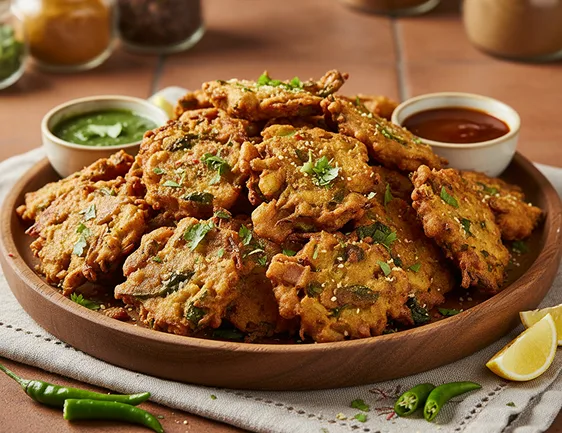
Pakora is fried, so calories depend heavily on oil and portion size. Besan adds some protein, but most pakora plates are still fat-heavy.
Approximate macros
Portion | Calories | Protein | Carbs | Fat |
|---|---|---|---|---|
1 small plate veg pakora | 300 to 450 kcal | 8 to 12g | 30 to 45g | 18 to 28g |
1 small plate paneer pakora | 400 to 550 kcal | 16 to 25g | 25 to 40g | 25 to 35g |
Balance it
Treat one plate as the snack or meal
Add curd or salad if available
Keep the next meal lighter on added fats
Try to avoid mindless picking. Pakora is easy to keep eating because it comes in pieces.
Make it protein-rich
Choose paneer pakora, paneer tikka, besan cheela, sprouts chaat, or curd on the side.
4. Pani Puri
Pani puri is often lighter than fried snacks, but it is still low in protein.

Approximate macros
Portion | Calories | Protein | Carbs | Fat |
|---|---|---|---|---|
6 pani puri | 180 to 300 kcal | 4 to 7g | 35 to 50g | 4 to 10g |
Balance it
Keep to a normal portion
Choose chana or sprouts filling if available
Eat a protein-rich meal before or after
Try to avoid treating it as a full meal when you are very hungry. It may not keep you full for long.
Make it protein-rich
Choose sprouts pani puri, chana filling, dahi puri with extra curd, or pair it with dal, paneer, tofu, eggs, chicken, or fish later.
5. Bhel Puri
Bhel puri can feel light, but sev, peanuts, chutneys, and portion size can raise calories quickly.

Approximate macros
Portion | Calories | Protein | Carbs | Fat |
|---|---|---|---|---|
1 plate bhel puri | 250 to 400 kcal | 6 to 10g | 45 to 65g | 6 to 15g |
Balance it
Ask for less sev
Add sprouts or chana if available
Keep the chutney moderate
Watch out for the extra sev and sweet chutney.
Make it protein-rich
Choose sprouts bhel, chana bhel, dahi bhel, or bhel with curd on the side.
6. Dahi Puri and Dahi Bhalla
Dahi-based chaats are often easier to balance because curd adds protein and fullness.

Approximate macros
Food | Portion | Calories | Protein | Carbs | Fat |
|---|---|---|---|---|---|
Dahi puri | 6 pieces | 300 to 450 kcal | 8 to 14g | 45 to 65g | 10 to 20g |
Dahi bhalla | 1 plate | 300 to 500 kcal | 12 to 20g | 35 to 55g | 10 to 22g |
Balance it
Ask for extra curd
Ask for less sev
Keep sweet chutney moderate
Do watch out for the extra sev, fried puri, and large portions.
Make it protein-rich
Choose dahi bhalla with extra curd, dahi chana chaat, sprouts with curd, or Greek yogurt chaat at home.
7. Pav Bhaji
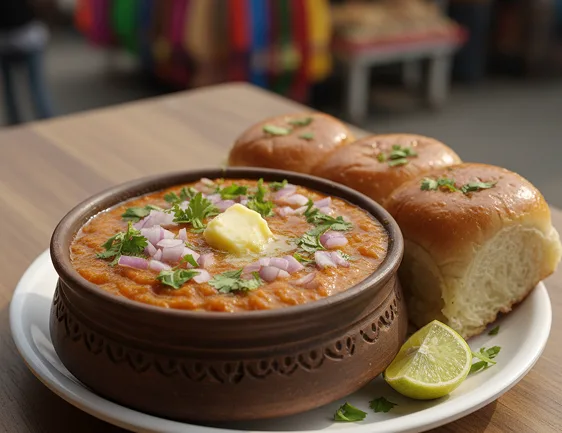
Pav bhaji can be filling, but calories depend heavily on butter and pav quantity.
Approximate macros
Portion | Calories | Protein | Carbs | Fat |
|---|---|---|---|---|
1 plate with 2 pav | 450 to 700 kcal | 10 to 18g | 70 to 95g | 15 to 35g |
Balance it
Ask for less butter if possible
Stick to 1 or 2 pav
Add protein later in the day
Careful with the extra butter, extra pav, and cheese. This can add on to your calories for the day.
Make it protein-rich
Try paneer pav bhaji, tofu bhaji, extra peas, curd on the side, or a protein-focused next meal.
8. Dosa and Masala Dosa
Dosa can fit well, especially with sambar. Masala dosa is higher in calories because of the potato filling.

Approximate macros
Food | Portion | Calories | Protein | Carbs | Fat |
|---|---|---|---|---|---|
Plain dosa | 1 large | 250 to 400 kcal | 6 to 10g | 40 to 60g | 6 to 15g |
Masala dosa | 1 large | 400 to 650 kcal | 8 to 14g | 65 to 90g | 12 to 25g |
Balance it
Have sambar generously
Go lighter on oily chutney
Choose plain dosa if you want a lighter option
Try avoiding butter dosa, cheese dosa, large potato filling, and too much chutney.
Make it protein-rich
Choose paneer dosa, egg dosa if you eat eggs, pesarattu, adai dosa, or extra sambar.
9. Kati Roll
Kati rolls can be balanced if the filling has protein. The sauce and wrap decide how heavy it gets.

Approximate macros
Roll type | Portion | Calories | Protein | Carbs | Fat |
|---|---|---|---|---|---|
Veg kati roll | 1 roll | 350 to 550 kcal | 8 to 15g | 45 to 70g | 12 to 25g |
Paneer kati roll | 1 roll | 450 to 700 kcal | 18 to 30g | 45 to 70g | 20 to 35g |
Egg or chicken kati roll | 1 roll | 400 to 650 kcal | 20 to 35g | 40 to 65g | 15 to 30g |
Balance it
Choose paneer, egg, or chicken if protein is the goal
Ask for less mayo or creamy sauce
Add extra salad filling
Careful with the double wrap, cheese, mayo, and fries on the side.
Make it protein-rich
Choose extra paneer, extra egg, chicken, tofu, or a whole wheat wrap with yogurt-based sauce at home.
10. Momos
Momos are easier to balance when they are steamed and protein-filled. Fried momos and creamy sauces change the numbers quickly.

Approximate macros
Momo type | Portion | Calories | Protein | Carbs | Fat |
|---|---|---|---|---|---|
Steamed veg momos | 6 pieces | 250 to 400 kcal | 8 to 14g | 40 to 60g | 5 to 12g |
Steamed chicken momos | 6 pieces | 300 to 450 kcal | 18 to 28g | 35 to 55g | 6 to 15g |
Fried momos | 6 pieces | 450 to 700 kcal | 10 to 25g | 45 to 70g | 20 to 35g |
Balance it
Choose steamed most of the time
Pick chicken, paneer, or tofu filling for more protein
Add soup if available
Try avoiding fried momos, mayo, creamy sauces, and large portions. These can really creep into your macros.
Make it protein-rich
Choose chicken momos, paneer momos, tofu momos, or homemade momos with extra filling and thinner wrappers.
How to Build a Balanced Street Food Meal
Use this simple structure.
Step 1: Pick the item you actually want
Do not waste calories on the option you only half wanted.
Step 2: Check the protein
Ask: where is the protein?
If the answer is unclear, add protein before, after or at the next meal.
Step 3: Keep extras controlled
The usual extras are:
Extra butter
Extra sev
Extra pav
Mayo
Cheese
Sweet drinks
Another fried snack
Pick the extras that are worth it. Skip the ones you do not care about.
Step 4: Use the next meal to balance
A good next meal is simple:
Protein
Vegetables
Moderate carbs
Measured fats
No punishment meal needed.
What to Avoid or Balance Out
Extra oil and butter
Most street food already has some oil. Extra butter can move calories up fast.
Better move: ask for less butter where possible.
Double carbs
Common double carb meals include:
Vada pav
Samosa
Pav bhaji
Masala dosa
Better move: keep the portion clear and add protein elsewhere.
Low protein snacks
Pani puri, bhel, vada pav, and samosa are usually not protein-rich.
Better move: pair the day with curd, chana, paneer, tofu, eggs, dal, chicken, or fish.
Creamy sauces and cheese
These can fit, but they add calories quickly.
Better move: choose one topping you really want.
Sweet drinks
Sweet lassi, soft drinks, and milkshakes can turn a snack into a large meal.
Better move: choose water, soda water, or unsweetened tea most of the time.
How to Make Indian Street Food More Protein-Rich
Add curd
Works well with bhel, dahi puri, chana chaat, and homemade chaat bowls.
Add chana or sprouts
Works well with samosa chaat, bhel, pani puri filling, and dahi-based snacks.
Choose protein fillings
Pick paneer, tofu, egg, or chicken in rolls, momos, dosa, and pav-based meals.
Use sambar
Sambar adds dal based protein and makes dosa meals more filling.
Make the next meal protein-focused
This is often the easiest fix. If the street food was low protein, keep the next meal built around paneer, tofu, dal, Greek yogurt, eggs, chicken, fish, chana, or rajma.
Best Street Food Choices by Goal
Usually easier for lower calories
Pani puri
Bhel with less sev
Plain dosa with sambar
Steamed veg momos
Dahi chana chaat
Usually better for protein
Chicken momos
Paneer momos
Paneer kati roll
Egg kati roll
Chicken kati roll
Dahi bhalla with extra curd
Sprouts bhel
Paneer dosa
Usually more calorie-dense
Vada pav
Samosa
Pakora
Cheese pav bhaji
Fried momos
These can still fit. Just treat them as planned, calorie-dense foods, and balance the rest of the day.
Simple Day Structure When Street Food Is Happening
If street food is available in the evening
Breakfast: Greek yogurt, eggs, tofu, or paneer
Lunch: Dal, rice, vegetables, and curd
Evening: Street food
Dinner: Protein and vegetables
If street food is lunch
Breakfast: High protein meal
Lunch: Pav bhaji, dosa, kati roll, or momos
Dinner: Protein-focused and lighter on added fats
If it is a social plan
Eat a normal protein-based meal earlier. At the street food spot, pick what you actually want. After that, go back to normal meals.
Common Tracking Mistakes
Logging too low
Oil, butter, and portions are easy to underestimate. Use a realistic range.
Forgetting protein
Street food can feel filling but still be low in protein. Add protein somewhere else in the day.
Treating snacks as free calories
Small does not always mean low calorie. Samosa, vada pav, and pakora can add up.
Overcorrecting later
Skipping meals can make hunger worse. A normal protein-focused meal is usually enough.
Ignoring the weekly average
One street food meal does not define the week. The weekly average gives a better picture.
Final Thoughts
Indian street food can fit into a fat-loss plan. You do not need to remove it from your life.
Most options are higher in carbs and fats, and lower in protein. That is useful information, not a reason to panic.
Pick what you want, keep the portion honest, add protein where needed, and move on with your next normal meal.
A good week can include street food. It just needs a little structure.
FAQs
Can I eat Indian street food while losing weight?
Yes. Keep the portion clear, add protein in the day, and stay within your weekly calorie target.
Which Indian street food is best for fat loss?
Usually, easier options include pani puri, bhel with less sev, dosa with sambar, steamed momos, dahi bhalla with extra curd, and chana chaat.
Which Indian street food is highest in protein?
Better protein options include chicken momos, paneer momos, paneer kati roll, egg kati roll, chicken kati roll, dahi bhalla, sprouts bhel, and paneer dosa.
How many calories are in a vada pav?
One vada pav is usually around 300 to 400 calories, depending on size, oil, and chutneys.
How many calories are in a samosa?
One medium samosa is usually around 250 to 350 calories. Two can be around 500 to 700 calories.
Is pani puri good for weight loss?
It can fit into a weight loss plan. It is often lighter than fried snacks, but it is low in protein.
Is bhel puri healthy?
It can be a reasonable snack, especially with less sev and more sprouts or chana.
Is pav bhaji high-calorie?
It can be. A plate with 2 pav is often around 450 to 700 calories, depending on butter and portion size.
Is dosa good for fat loss?
Yes, it can fit well, especially with sambar. Masala dosa is higher in calories because of the potato filling.
Are momos good for weight loss?
Steamed momos can fit well, especially with chicken, paneer, or tofu filling. Fried momos are much heavier.
How do I make street food more protein-rich?
Choose paneer, tofu, egg, chicken, chana, sprouts, curd, or sambar where possible.
What should I eat after street food?
Have a normal protein-focused meal with vegetables. Good options include dal and curd, paneer, tofu, Greek yogurt, eggs, chicken, fish, chana, or rajma.